
A Real Challenge We Encountered in a Pie Dough Cutting Process
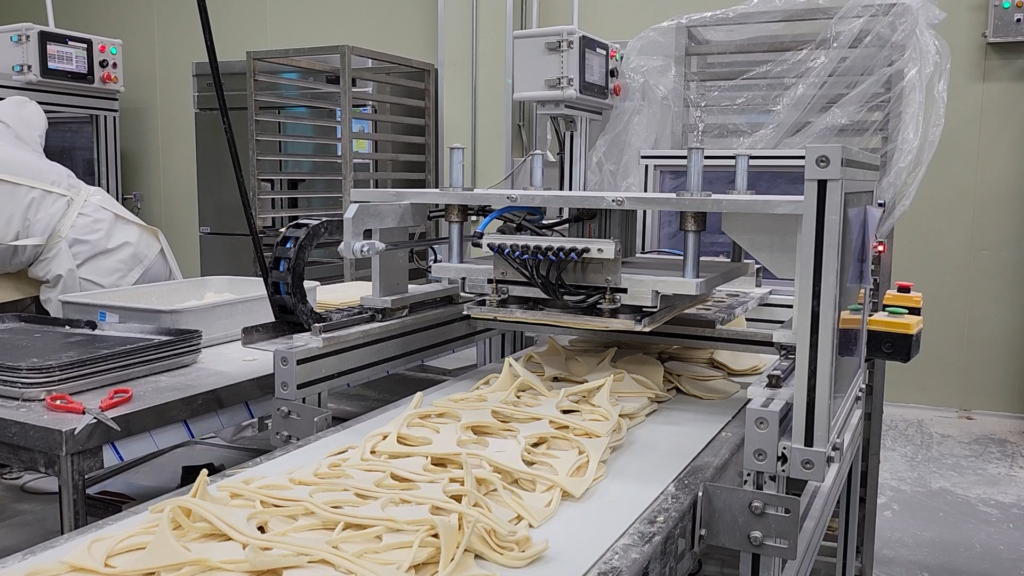
MECSTECH has been conducting ultrasonic cutting tests and process improvement projects for various food production facilities.
One of our customers was producing dough sheets and performing pie dough cutting using a conventional mechanical cutting method.
However, they were experiencing recurring quality issues and production inefficiencies.
When we visited the production site and observed the process firsthand,
we found that the existing equipment used a mold-based structure that cut the dough simply by applying pressure.
Due to the sticky and relatively thick nature of pie dough, portions of the dough
that should have been removed after cutting repeatedly became trapped inside the mold.
As a result, operators had to manually remove the remaining dough from the mold during production,
causing frequent interruptions to the workflow.
In addition, the system was not fully automated.
The cutting process relied on manual operation, requiring workers to repeatedly press the machine controls for each cutting cycle.
This resulted in several operational challenges:
- Reduced production speed
- Repetitive manual intervention
- Inconsistent cutting quality
- Dough compression and shape deformation
- Lower overall production efficiency
The customer reported ongoing difficulties caused by these issues.
To address the problem, MECSTECH proposed the implementation of an ultrasonic cutting system.
The customer later adopted the ultrasonic solution on the actual production line.
As a result, sticking and compression issues were significantly reduced,
helping improve cutting consistency and production efficiency.
We continue to maintain a strong business relationship with this customer today.
In this article, we will explore why ultrasonic technology is becoming increasingly important for pie dough cutting and what limitations conventional cutting methods may have in food manufacturing environments.
[Watch MECSTECH Pie Dough Cutting Video]
Why Do Conventional Cutting Methods Have Limitations?
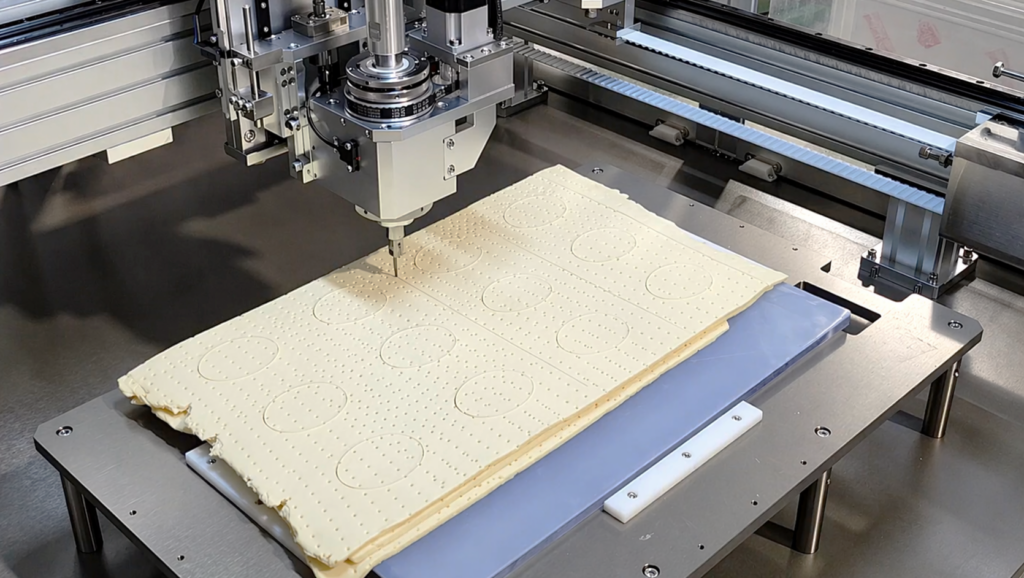
1. Dough Compression and Damage to Layered Structures
During pie dough cutting, conventional blades apply direct mechanical pressure to the product.
As a result, the cut surface may become compressed and delicate layered structures can be damaged.
The equipment we observed on-site also relied on strong pressing force,
causing some products to deform and resulting in inconsistent cut quality.
This issue is particularly noticeable with croissant dough, pie dough, and butter-rich laminated dough products,
which can easily lose their shape even under relatively small amounts of pressure.
Inconsistent cutting quality can ultimately affect both product appearance and overall production quality.
2. Dough Sticking to Blades and Molds
High-moisture and sticky dough products tend to adhere to cutting blades and mold surfaces during conventional pie dough cutting operations.
At the customer’s facility, portions of dough frequently remained inside the mold after cutting,
requiring operators to repeatedly remove residue manually.
This can lead to:
- Dough dragging
- Poor cut quality
- Blade contamination
- Increased cleaning frequency
All of these factors may negatively affect productivity.
3. Difficulty Creating Complex Shapes
Today’s bakery and dessert market demands more than simple square-shaped products.
Manufacturers increasingly require customized shapes such as characters, letters, hearts, stars, and other decorative designs.
However, conventional cutting systems often struggle to achieve detailed curves and intricate shapes with high precision.
In addition, mold-based systems may require new tooling or setup modifications whenever product designs change, reducing production flexibility.
4. Quality Variations Between Frozen and Non-Frozen Products
Food manufacturers often need to process both frozen and non-frozen products.
With conventional cutting methods, variations in dough condition and temperature can significantly impact cutting performance,
making it difficult to maintain consistent quality.
5. Challenges in High-Volume Automated Production
As production volume increases, cutting speed and quality consistency become increasingly important.
However, conventional cutting systems may suffer from:
- Blade wear
- Increased sticking issues
- Quality variation
- Heavy dependence on operator intervention
Processes that require manual involvement can limit production speed and make automation more difficult.
What Makes Ultrasonic Cutting Different?
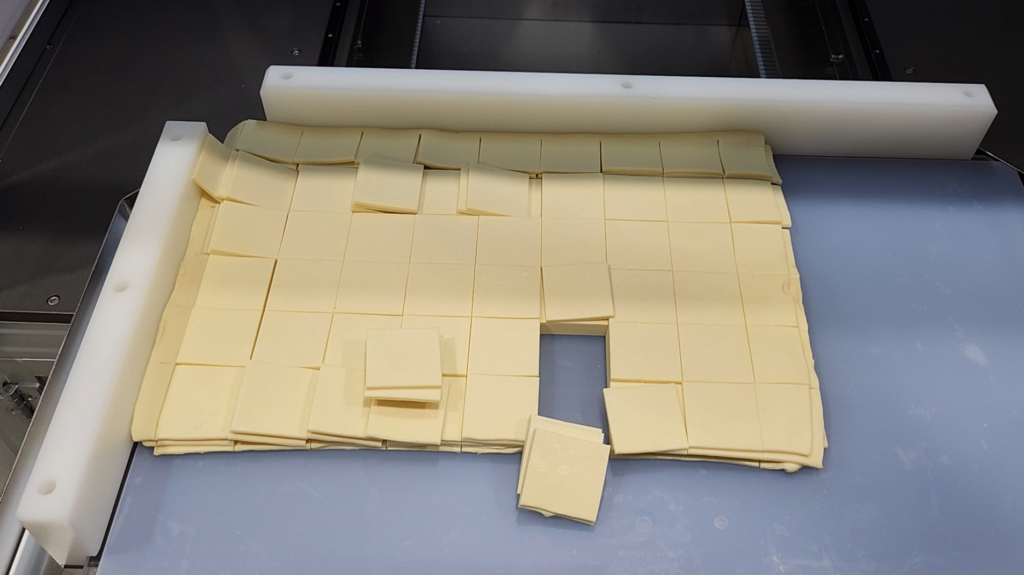
Ultrasonic cutting uses high-frequency micro-vibrations to reduce friction between the blade and the product during cutting.
This helps achieve:
- Reduced dough compression
- Less sticking
- Cleaner cut surfaces
- Precise shape cutting
- Better compatibility with automated production systems
The benefits become even more noticeable when processing sticky products or multi-layer dough structures.
MECSTECH’s Food Ultrasonic Cutting Solutions
Ultrasonic 2D Cutter
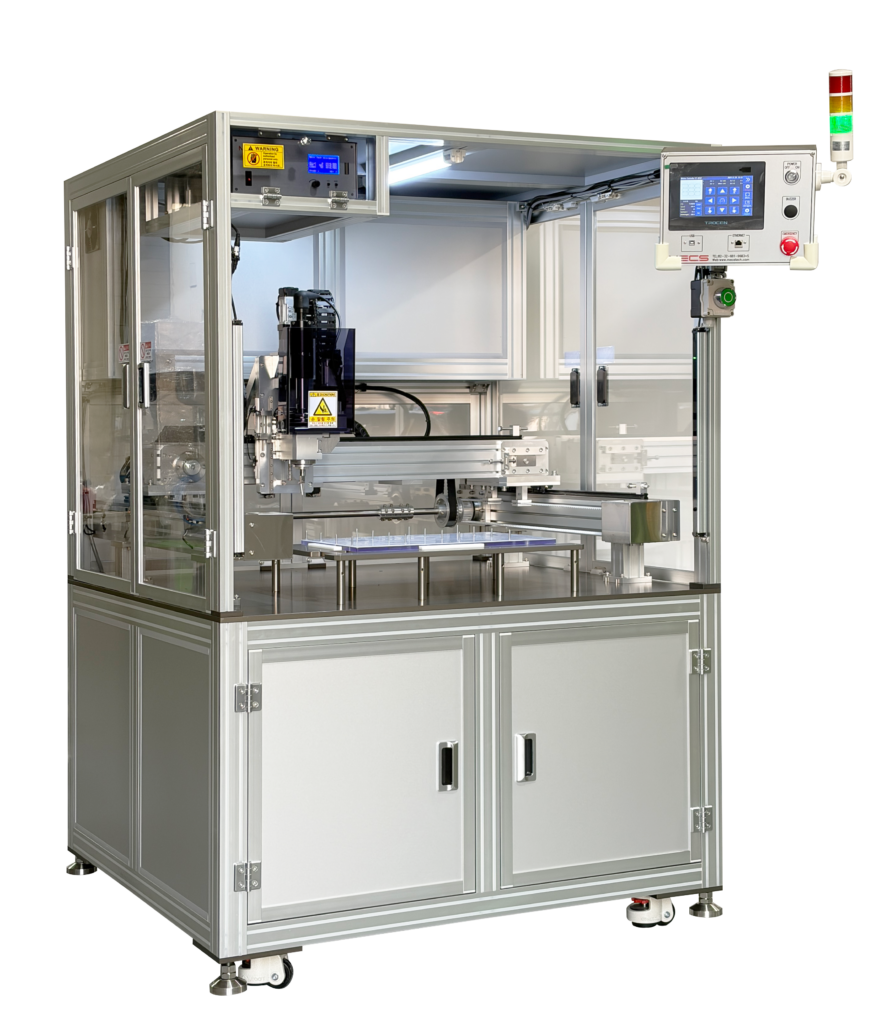
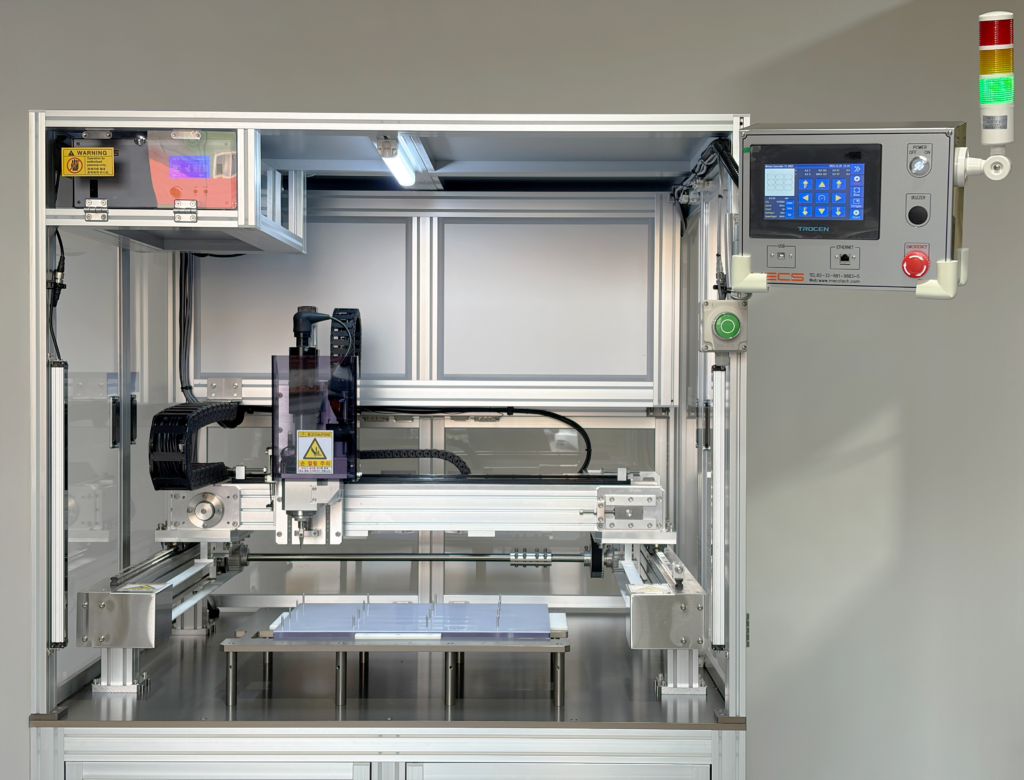
The Ultrasonic 2D Cutter is designed for precise free-form cutting of dough sheets, laminated dough products, sheet cakes, and various food products.
Using AI, DXF, and other digital file formats, it can produce customized shapes such as hearts, stars, letters, and character designs.
Dual-Head Ultrasonic Cake Cutter
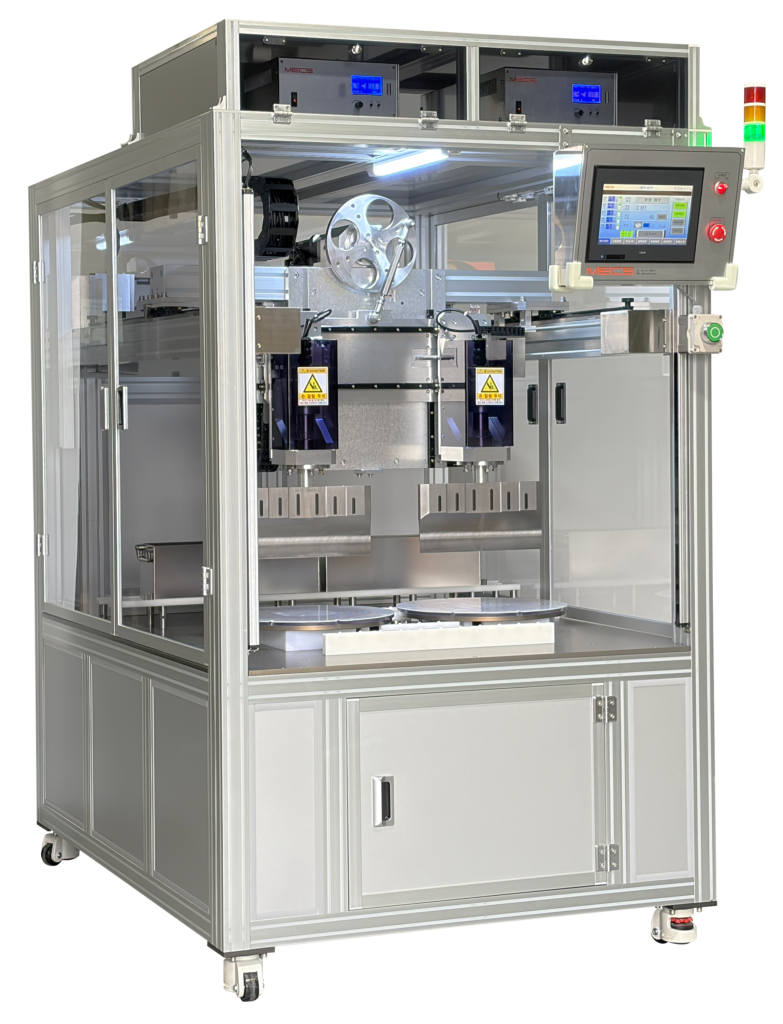
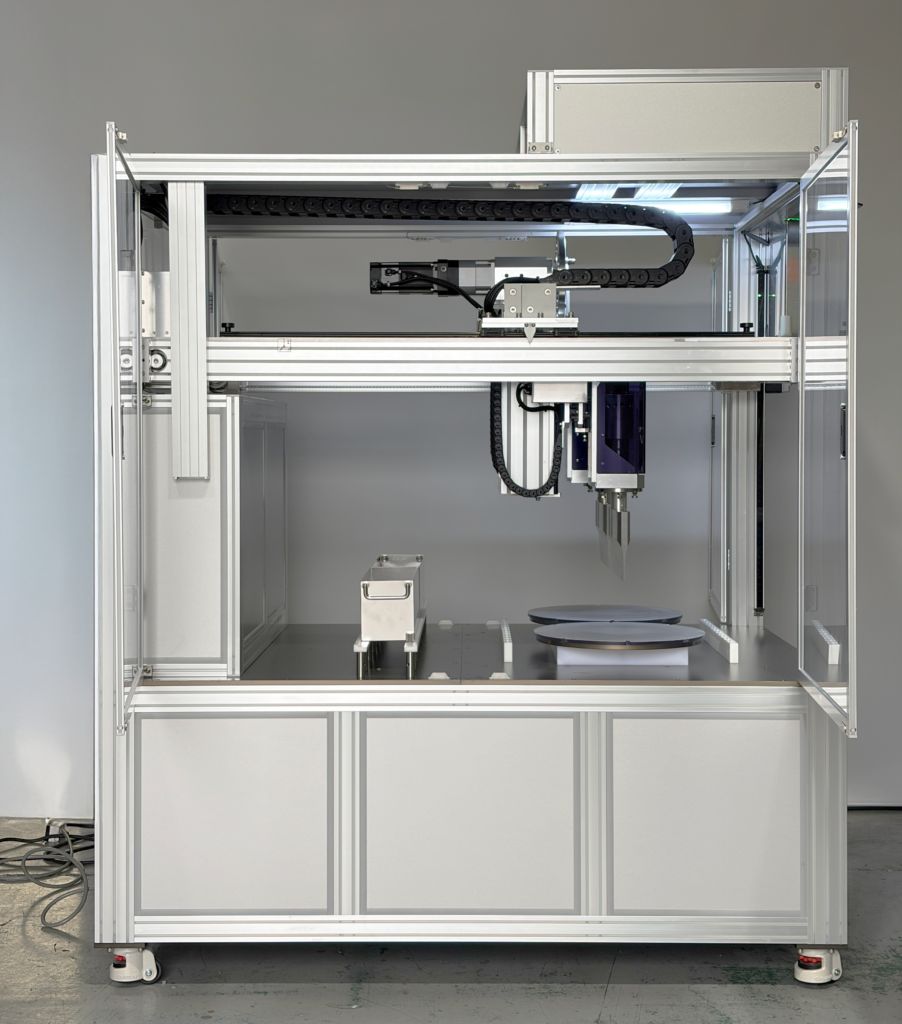
MECSTECH’s Dual-Head Ultrasonic Cake Cutter is suitable not only for cakes but also for pie dough cutting and dough sheet processing.
It is designed to cut sticky or easily compressed food products more consistently while maintaining product shape and cut quality.
The system can process both frozen and non-frozen products and can be integrated
into automatic or semi-automatic production lines to improve productivity.
[Learn More About MECSTECH Ultrasonic Cutting Machines]
Food Cutting Processes Must Now Consider Quality and Automation
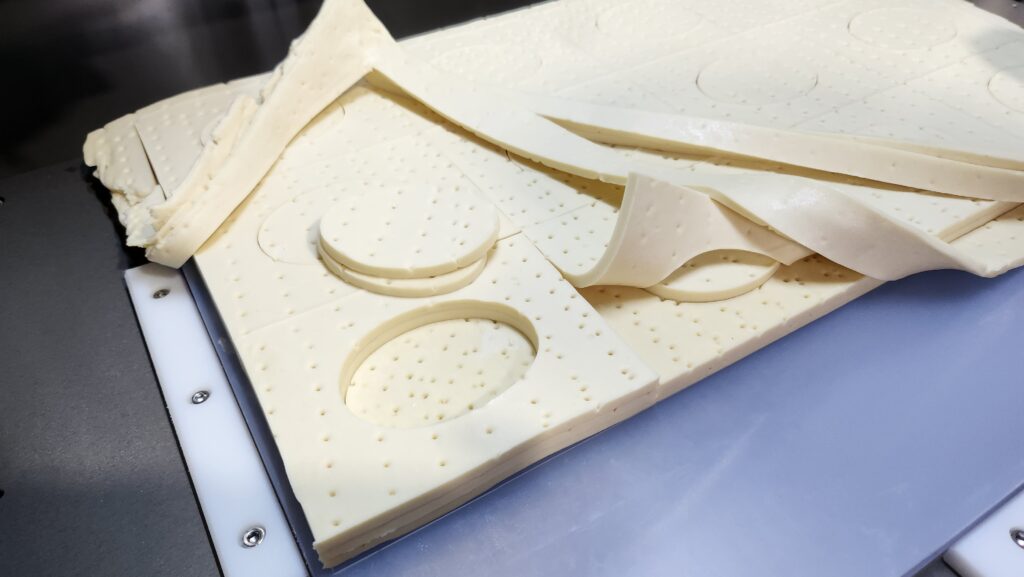
Food manufacturers today are looking beyond simple cutting performance.
Production stability, hygiene, and automation compatibility have become equally important considerations.
Products such as dough sheets, pie dough, and laminated dough structures are particularly sensitive to cutting conditions.
Variations in dough properties can significantly impact final product quality, making reliable cutting technology increasingly important.
In the case presented in this article, the customer experienced recurring issues including dough compression, sticking, and repetitive manual work.
After implementing an ultrasonic cutting system, the production process became more stable and efficient.
Ultrasonic cutting is increasingly being adopted across food manufacturing facilities
because it can help improve cut quality, maintain consistency, and support automated production environments.
MECSTECH provides ultrasonic cutting solutions tailored to various food products and production requirements,
and we also offer product testing services to help determine the optimal cutting conditions for each application.