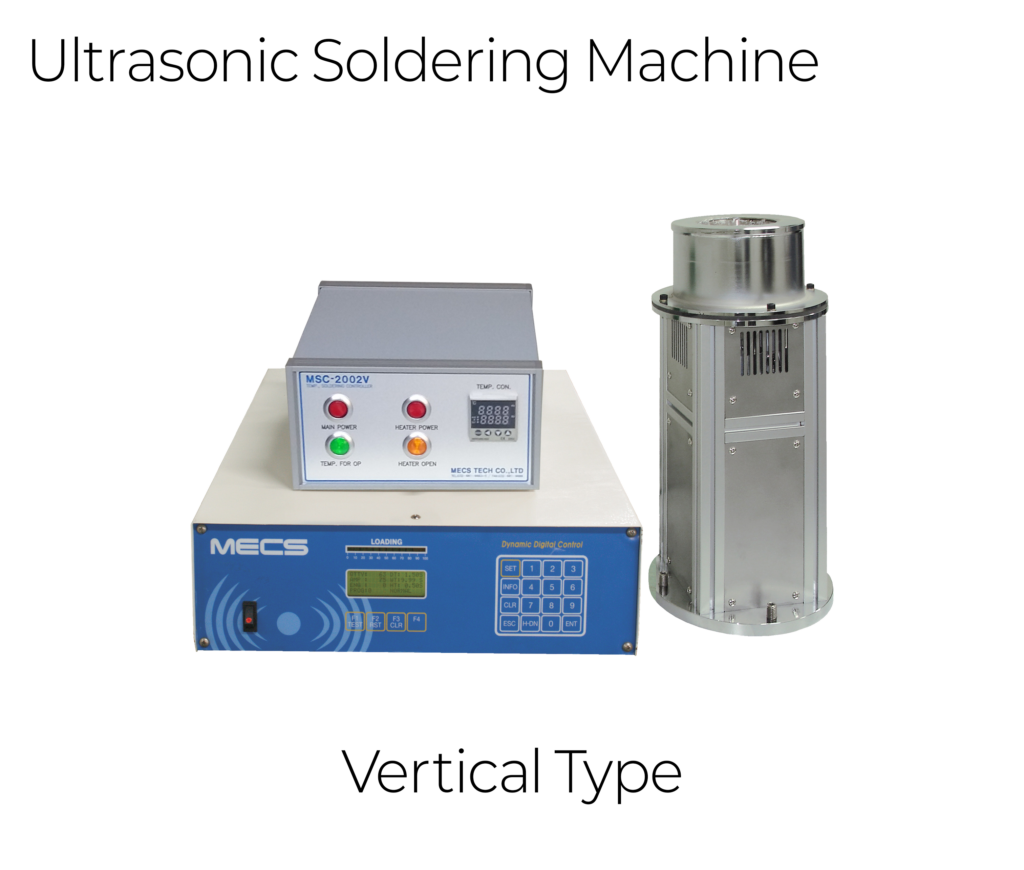
What is an Ultrasonic Soldering Machine?
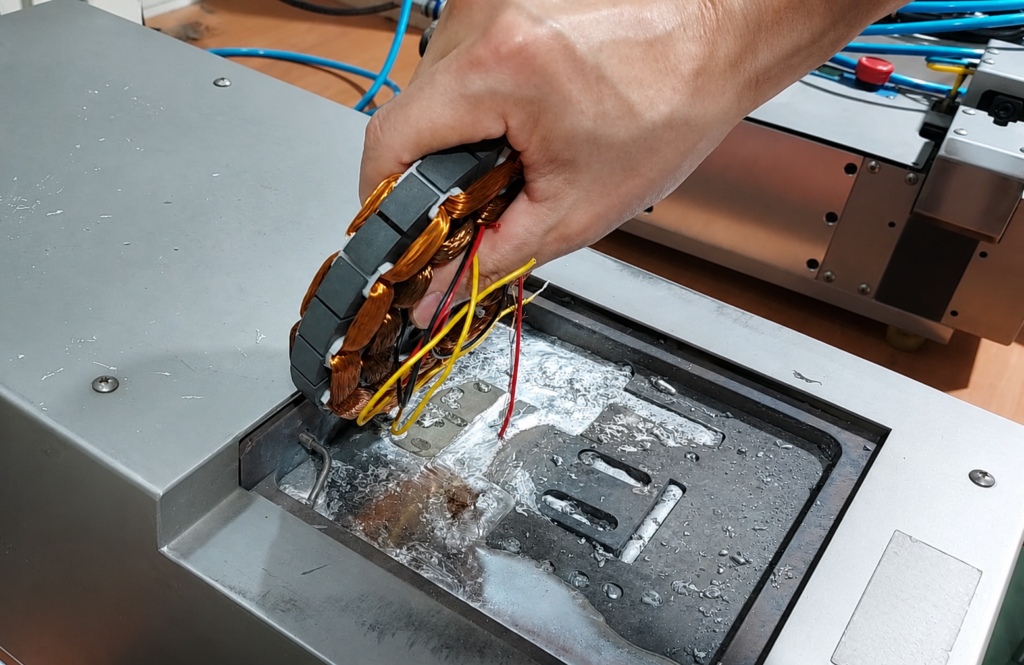
An Ultrasonic Soldering Machine is a technology that enables bonding of both metallic and non-metallic materials without using flux, unlike conventional soldering methods.
It is gaining attention across various industries because it can be applied to materials that were traditionally difficult to solder, such as glass, ceramics, and aluminum.
Recently, as environmental regulations such as RoHS continue to strengthen, industries are increasingly seeking to reduce the use of flux, making ultrasonic soldering technology an even more important solution.
Why Use an Ultrasonic Soldering Machine? (How Flux-Free Soldering is Possible)
Unlike conventional soldering, ultrasonic soldering enables stable bonding without using flux.
In traditional soldering processes, flux is essential because it chemically removes oxide layers formed on metal surfaces.
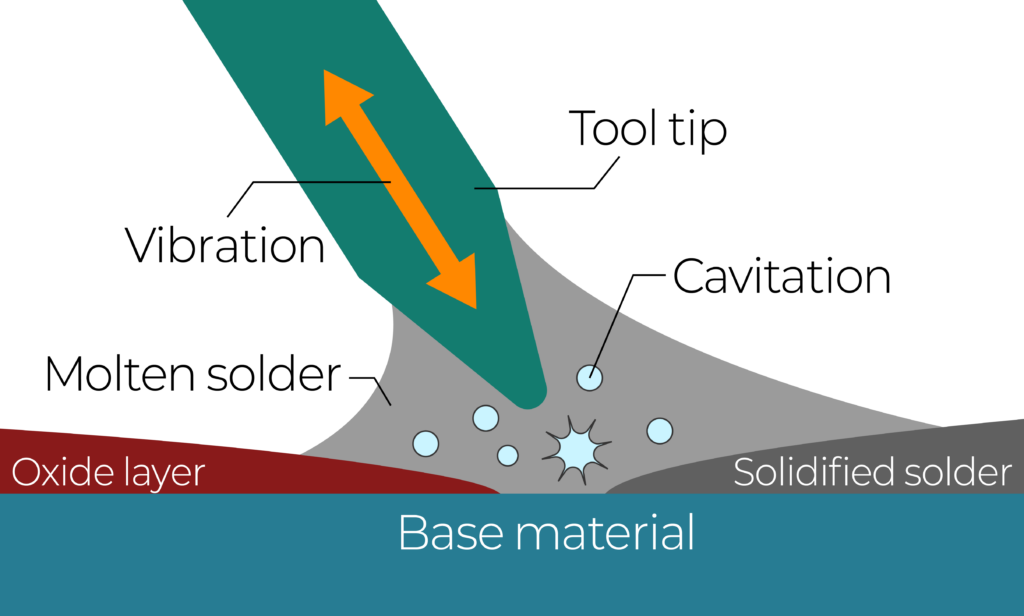
However, in ultrasonic soldering, ultrasonic vibrations are transmitted into the molten solder, generating physical energy.
During this process, microscopic bubbles are continuously generated and collapsed inside the molten solder,
creating cavitation and intense micro-agitation.
This physical action removes oxide layers and contaminants from the metal surface.
At the same time, the surface becomes activated, allowing the solder to spread more effectively across the material surface.
As a result, excellent wettability and stable bonding quality can be achieved without the need for additional flux.
Key Principles
1. Ultrasonic Vibration Transmission
Ultrasonic vibrations generated from the soldering tip are directly transmitted into the molten solder.
2. Cavitation Generation
Microscopic bubbles are formed inside the molten solder → bubbles collapse → instantaneous impact energy is generated.
3. Oxide Layer Removal
The impact energy physically breaks down oxide layers, allowing the surface to remain clean without using flux.
4. Improved Wettability
Solder spreads more effectively across the cleaned surface, increasing bonding strength between materials.
5. Solidification and Bond Completion
The solder cools and solidifies, completing a strong and stable bond.
Through this process, stable flux-free bonding becomes possible.
[Watch MECSTECH Ultrasonic Soldering Machine Video]
6 Situations Where an Ultrasonic Soldering Machine is Needed (Solving Soldering Problems)
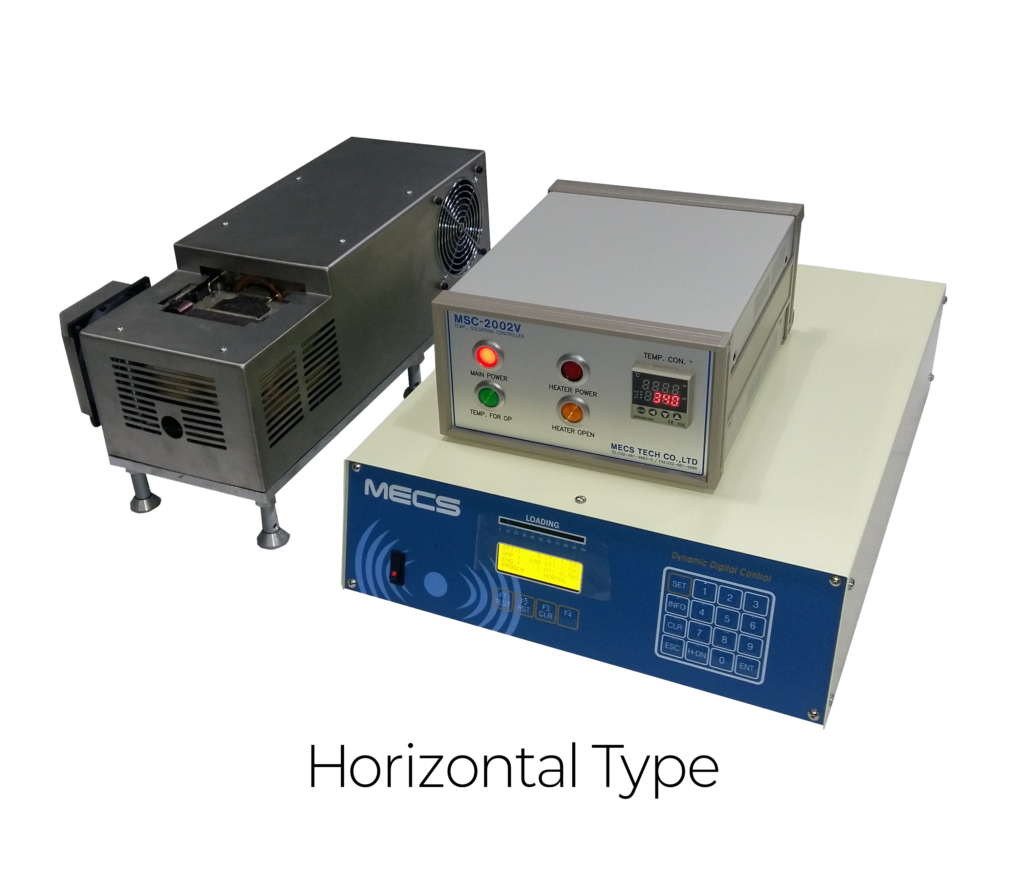
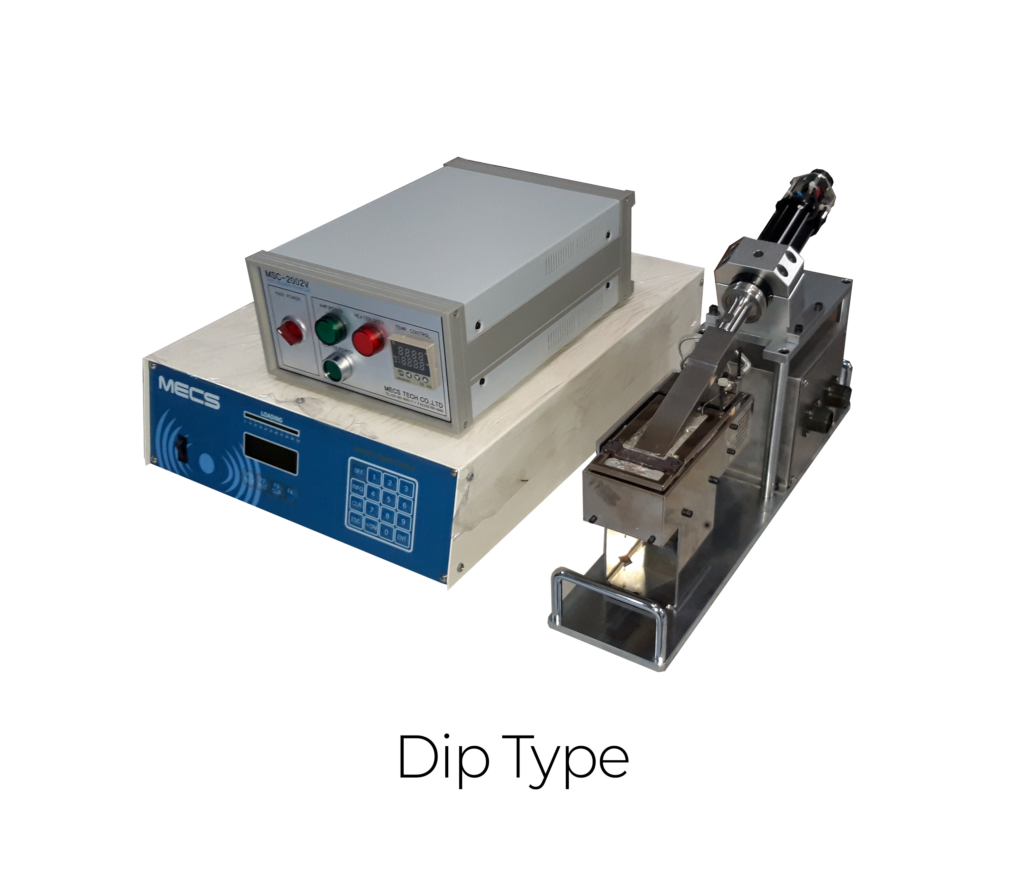
You should consider an ultrasonic soldering machine if you face the following challenges:
- Difficulty soldering aluminum
- Oxide layer problems when soldering stainless steel
- Looking for a method to solder glass
- Need for flux-free soldering
- Requirement for eco-friendly soldering processes
- High material costs caused by copper usage
All of these issues can be solved through ultrasonic soldering technology.
Applications of Ultrasonic Soldering Machines
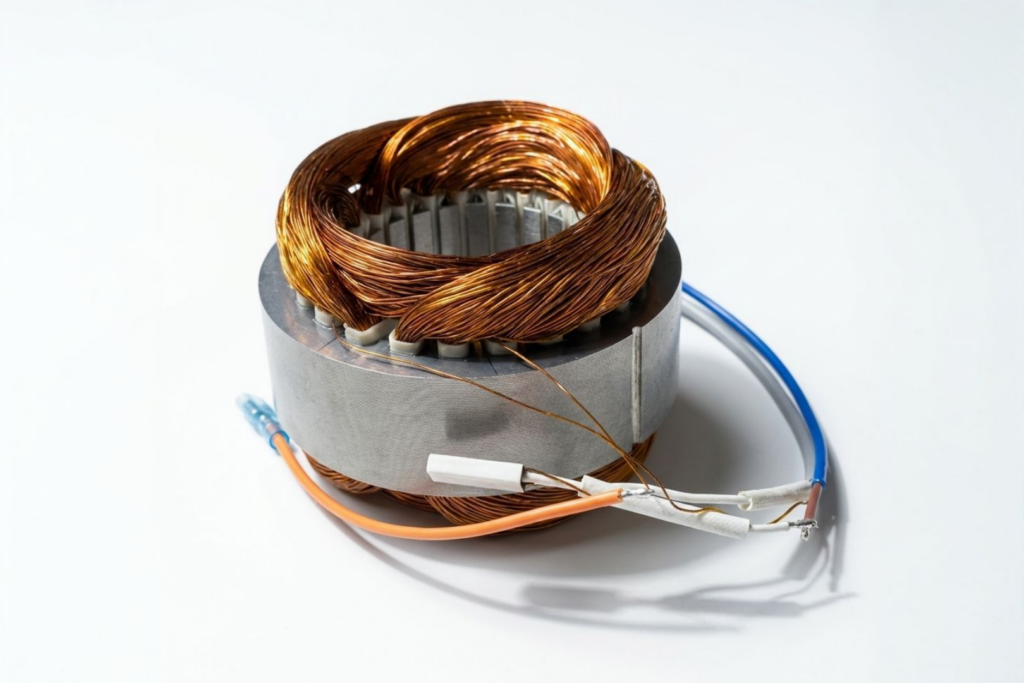
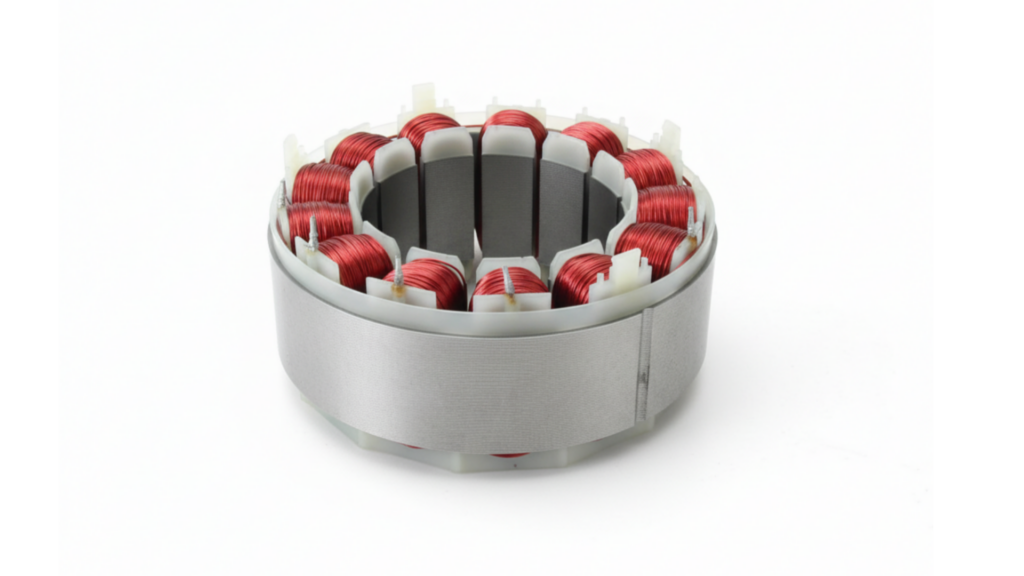
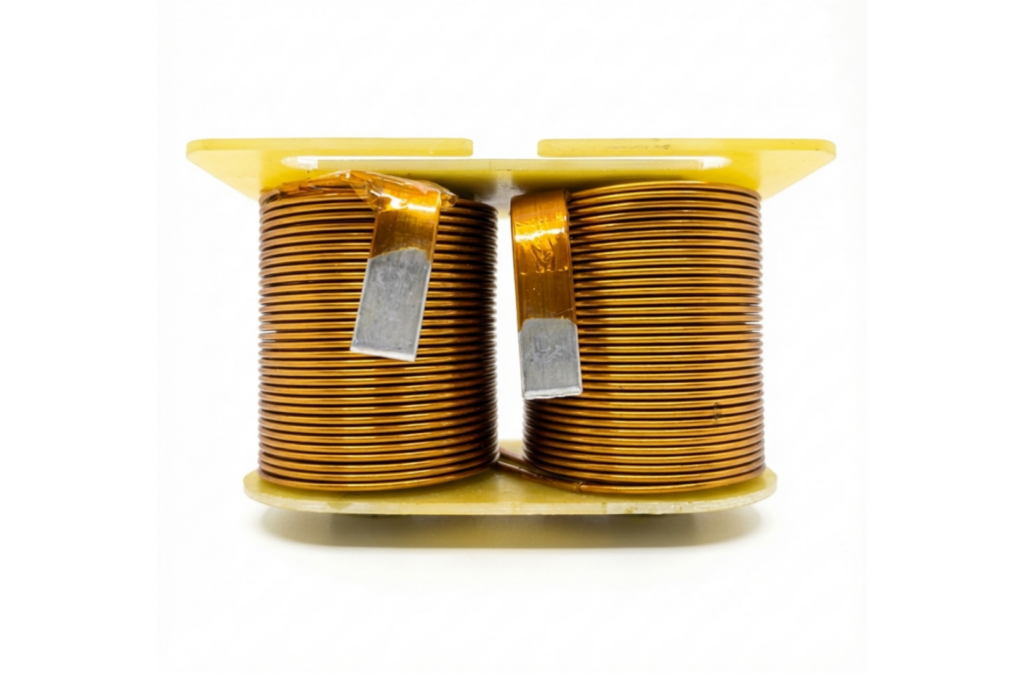
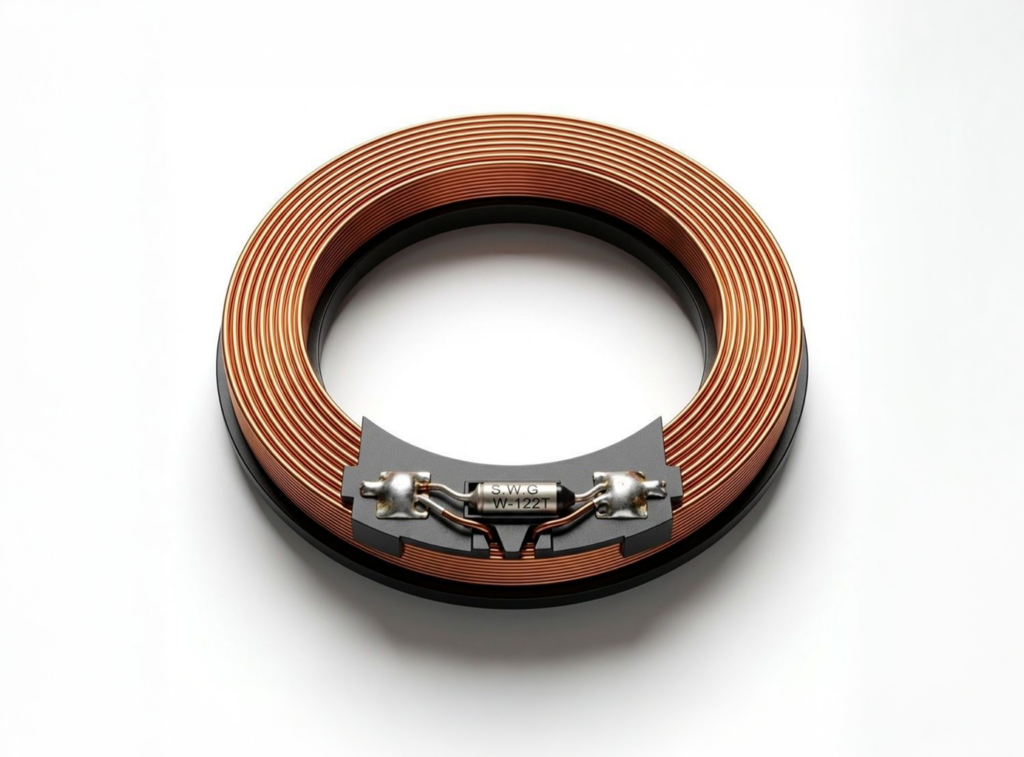
Ultrasonic soldering machines are used in a wide range of industries.
- Solar cell electrode bonding
- Electronic components and sensors
- Medical device components
- Batteries and EV components
- Glass and ceramic bonding processes
They are particularly effective in applications requiring dissimilar material bonding (metal + non-metal).
Key Advantages of Ultrasonic Soldering Machines
Ultrasonic soldering machines do not require flux, making them suitable for environmental regulation compliance
while also improving overall process efficiency by reducing cleaning processes.
In addition, ultrasonic vibrations remove oxide layers,
helping maintain stable bonding quality and reducing defect rates.
One of the biggest advantages is material flexibility.
In processes where expensive materials such as copper had to be used due to soldering limitations,
ultrasonic soldering technology makes it possible to replace them
with relatively lower-cost materials such as aluminum.
This provides not only process improvements but also significant cost reduction benefits.
Furthermore, ultrasonic soldering technology can be applied to various materials
and can easily integrate with automation systems, making it an effective solution
for industrial environments seeking both productivity improvement and cost reduction.
Important Factors to Consider Before Adoption
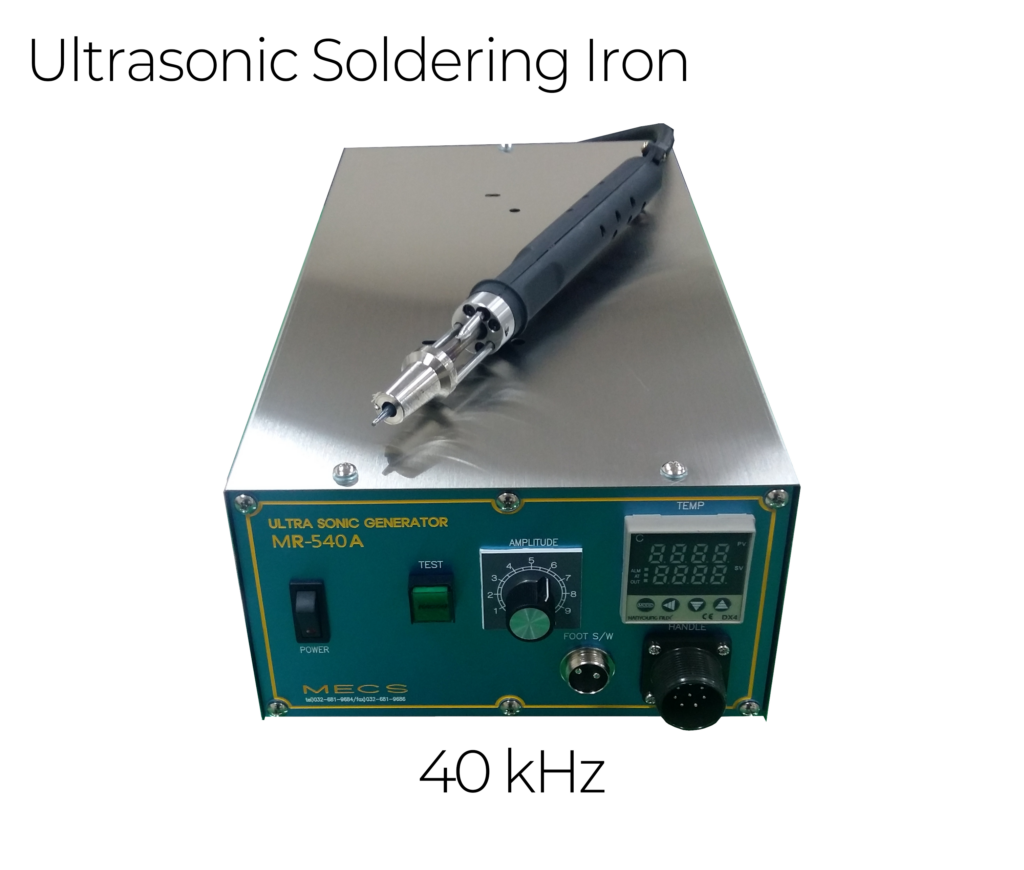
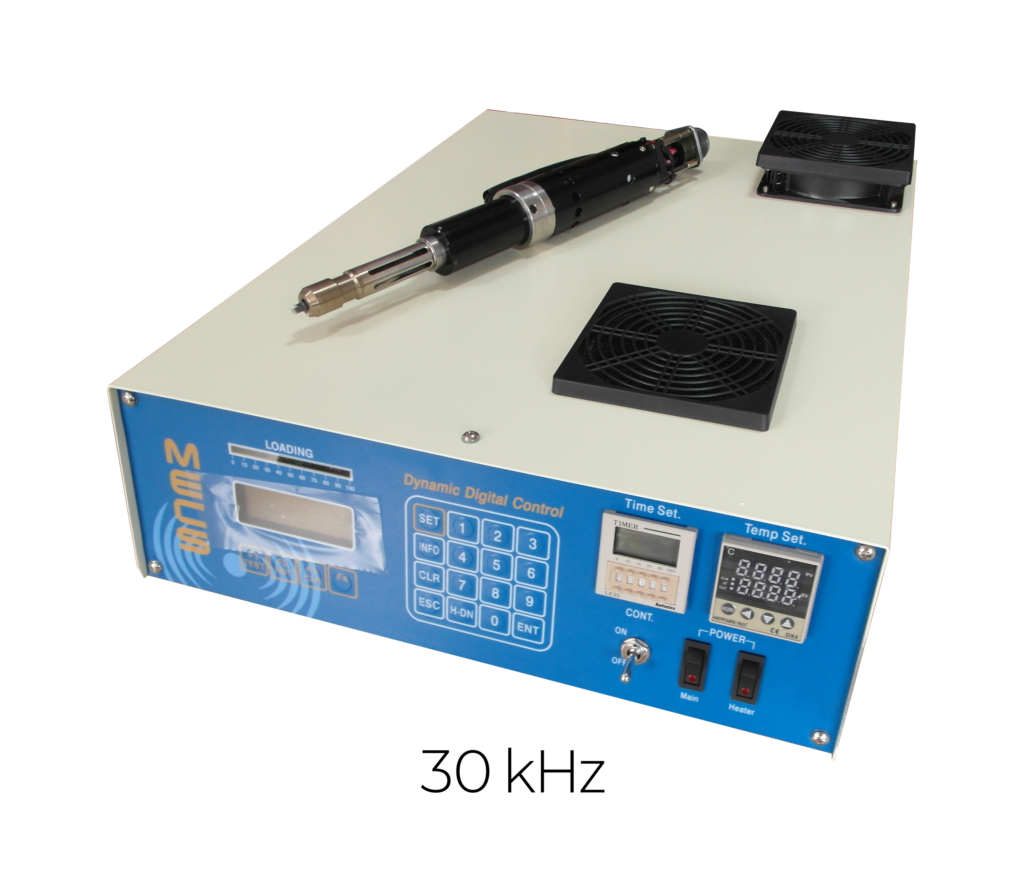
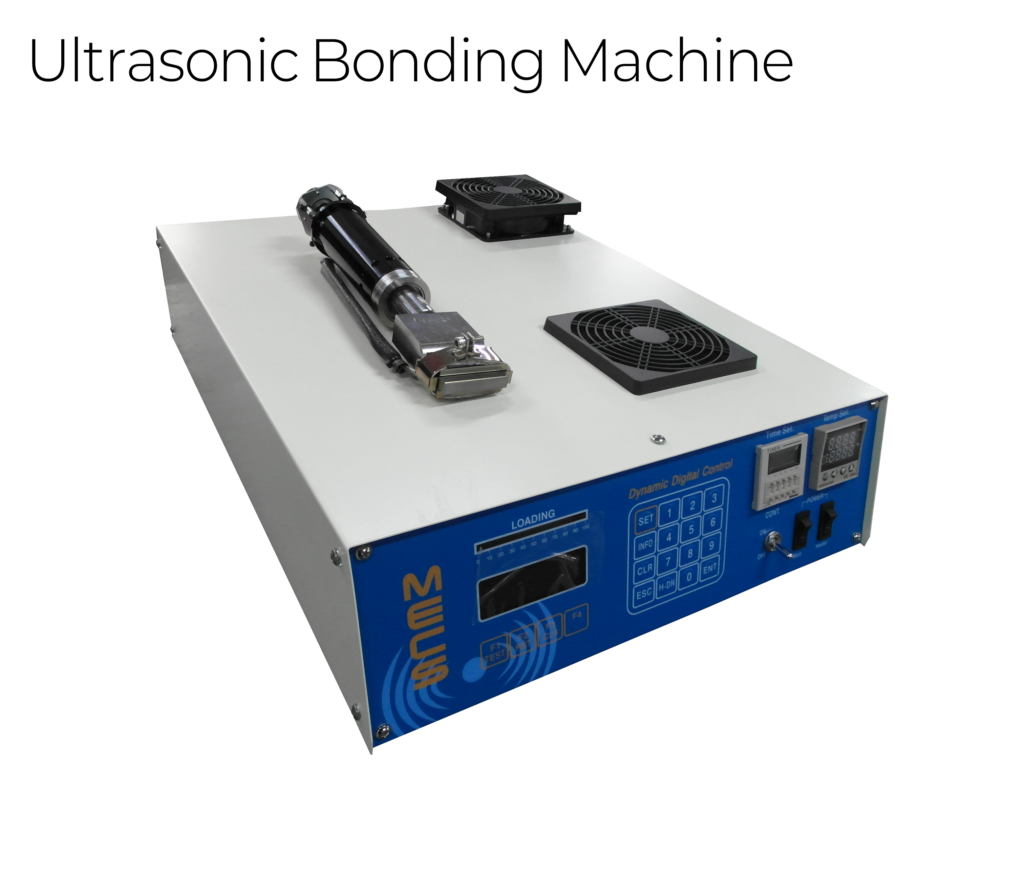
Although ultrasonic soldering machines offer many advantages,
the following factors should be carefully evaluated:
- Transducer and horn design technology
- Output stability
- Automatic frequency tuning capability
- Soldering tip quality
- Process optimization capability
In particular, the quality of core ultrasonic components plays a critical role in bonding performance.
[Learn More About MECSTECH Ultrasonic Soldering Machines]
What Makes MECSTECH Ultrasonic Soldering Machines Different?

MECSTECH designs and manufactures the core components of ultrasonic soldering machines entirely in-house,
including generators, transducers, boosters, and horns.
Through this capability, MECSTECH provides:
- Stable output performance
- Low failure rates
- Flexibility for various industrial processes
This allows us to deliver optimized soldering solutions tailored to customer requirements.
In addition, based on extensive industrial experience,
MECSTECH also provides sample testing and customized process consultation.
Why Ultrasonic Soldering is Gaining Attention
Ultrasonic soldering is more than simply replacing flux;
it is a new approach that overcomes the limitations of conventional soldering processes.
Through cavitation and surface activation generated by ultrasonic vibrations,
stable soldering has become possible not only for aluminum and stainless steel,
which are traditionally difficult to bond, but also for non-metallic materials such as glass and ceramics.
Ultrasonic soldering also offers clear advantages in environmental compliance,
process simplification, and bonding quality stability.
Furthermore, it opens the possibility of replacing expensive copper materials with aluminum,
contributing to manufacturing cost reduction.
For these reasons, ultrasonic soldering technology is becoming a key solution capable of satisfying
both material diversity and eco-friendly manufacturing requirements across various industries.
As future manufacturing environments increasingly prioritize efficiency and sustainability,
ultrasonic soldering technology is expected to play an even more important role.