
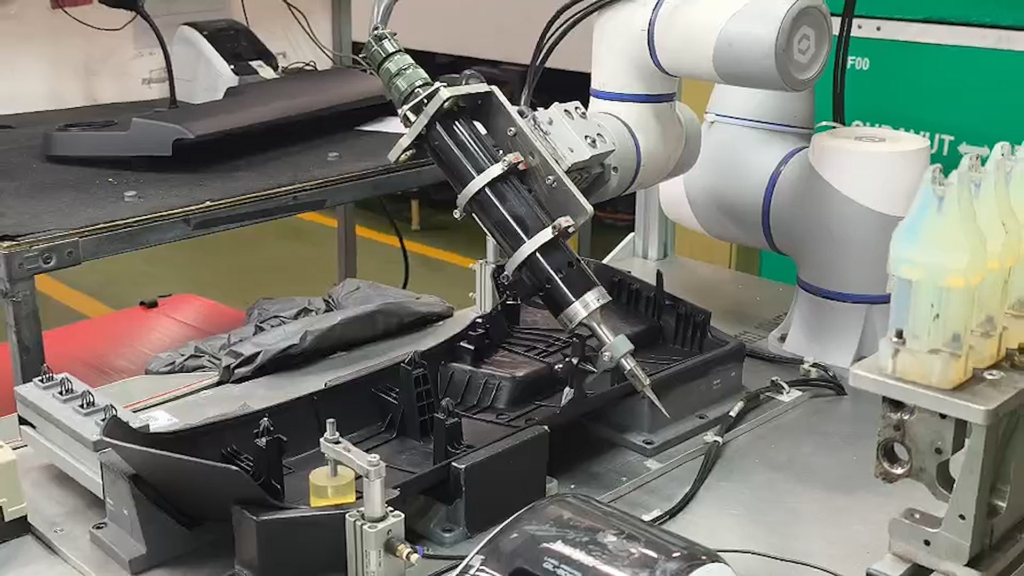
Industrial ultrasonic cutters are widely used in industries such as automotive, electrical & electronics, filtration, packaging, textiles,
and composite materials to achieve precise cutting of plastics, rubber, nonwoven fabrics, films, and other industrial materials.
By utilizing ultrasonic vibrations, these systems reduce friction during the cutting process, helping to produce cleaner cut surfaces
while minimizing material deformation compared to conventional cutting methods.
Today, industrial ultrasonic cutters are used not only for manual operations but also in automated production lines and robotic systems,
expanding their applications across a wide range of industries.
However, not all industrial ultrasonic cutters deliver the same level of performance.
Even if two machines appear similar in terms of design or power specifications, their long-term operational stability,
maintenance convenience, and core component technologies can significantly affect productivity and equipment lifespan.
Especially in automated production environments, these differences can directly influence cutting quality,
production efficiency, and maintenance costs.
So, what should you look for when selecting an industrial ultrasonic cutter?
[Watch the Video on MECSTECH YouTube]
1. Can It Reliably Cut a Wide Range of Materials?
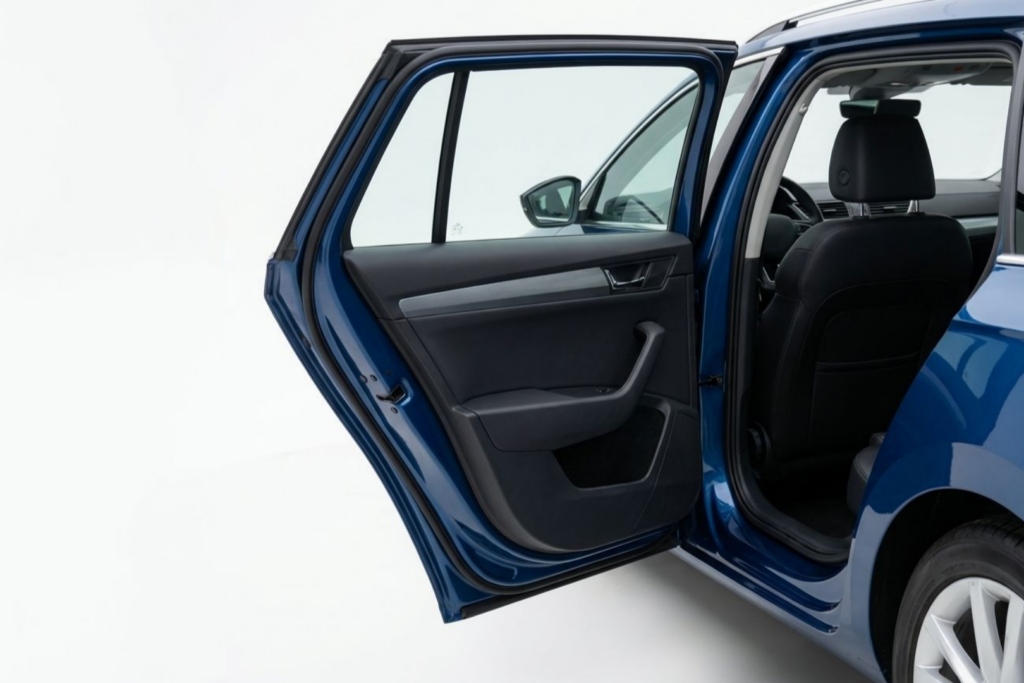
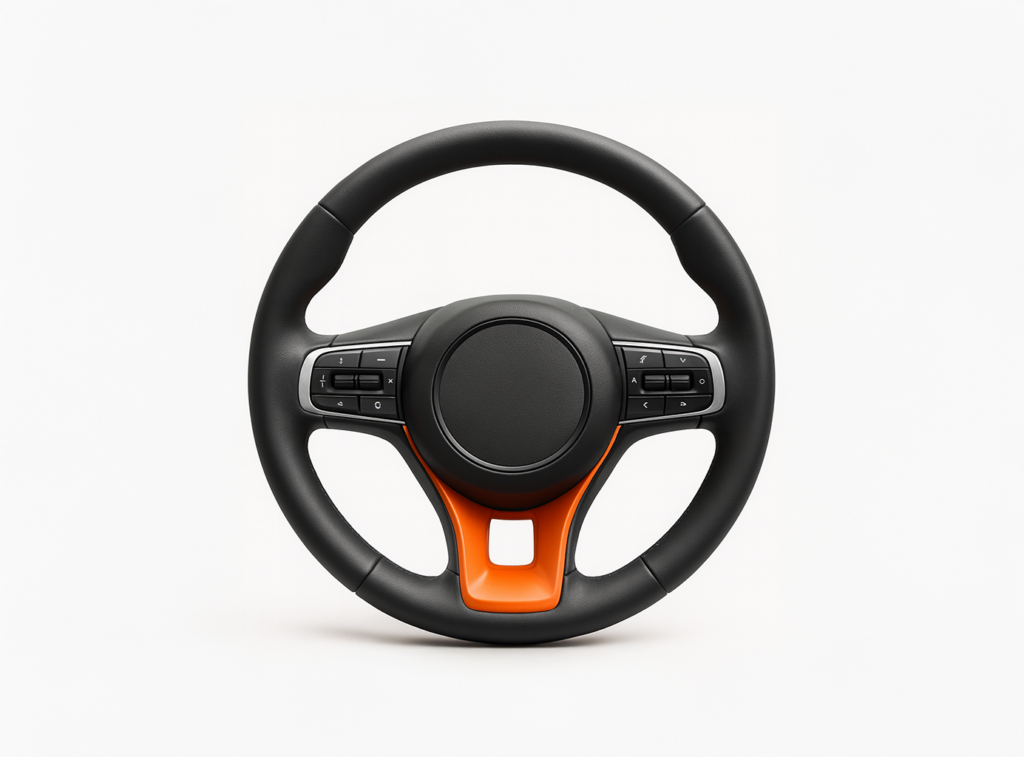
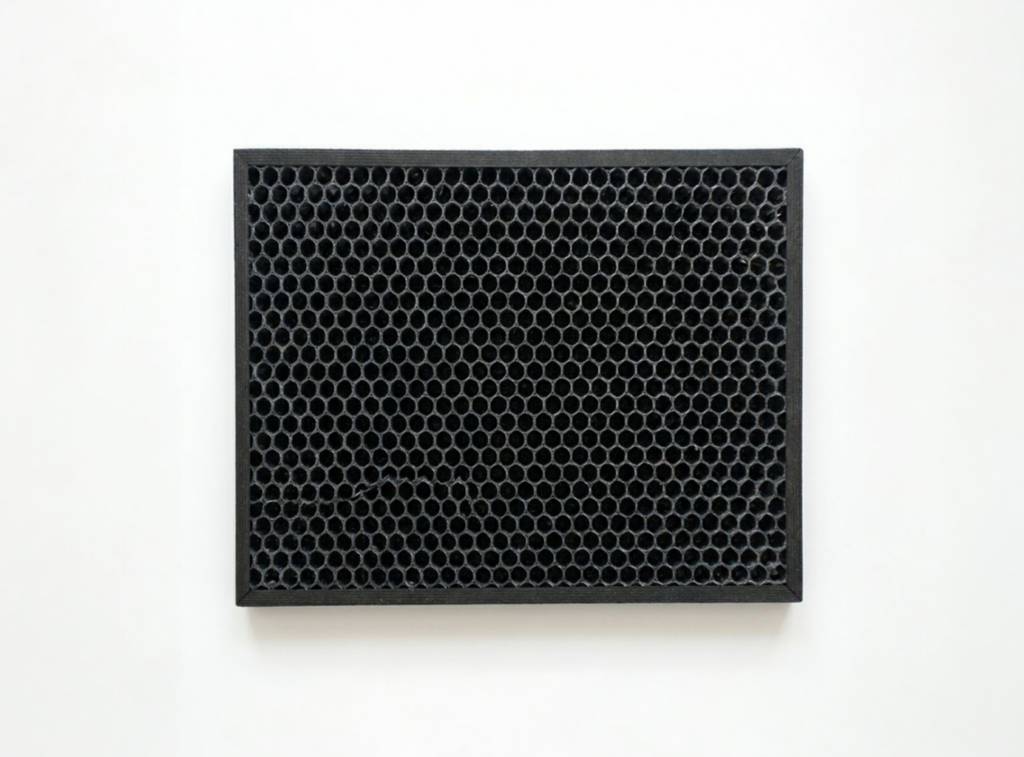
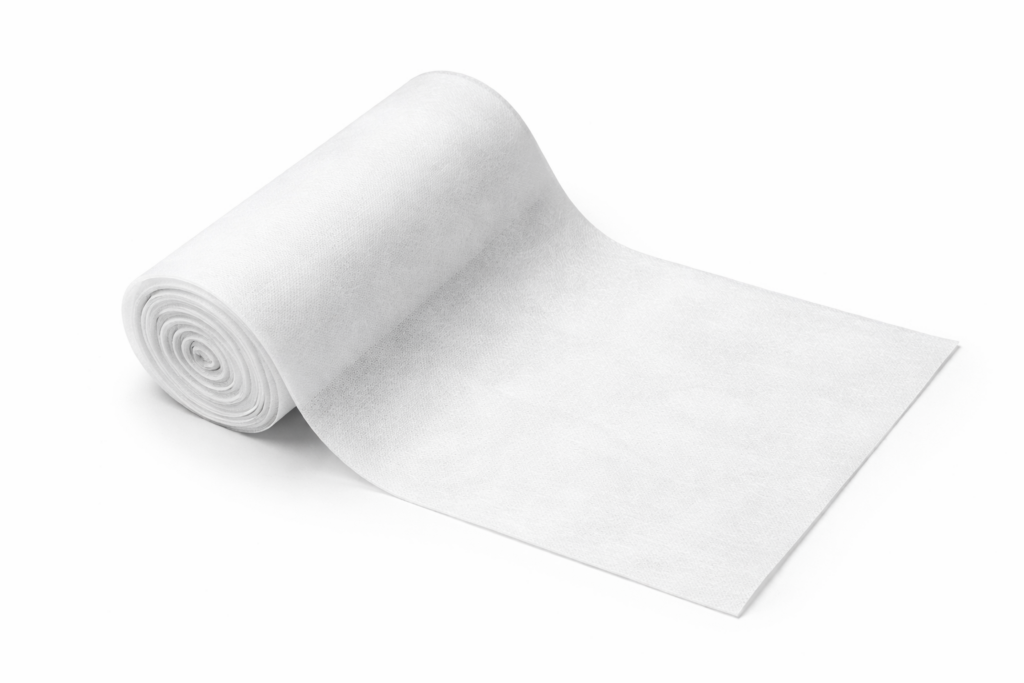
In industrial manufacturing, a single cutting system is often required to process various types of materials.
Since plastics, rubber, nonwoven fabrics, films, and composite materials all have different physical properties and thicknesses,
it is difficult to achieve optimal cutting performance using the same cutting conditions.
For this reason, it is important to choose an industrial ultrasonic cutter that allows output power and vibration amplitude
to be adjusted according to the characteristics of each material.
Amplitude control helps optimize cutting conditions for different materials and contributes
to more stable and consistent cutting performance under various operating conditions.
2. Does It Feature Automatic Resonance Frequency Tuning?
Automated production lines often operate continuously for extended periods.
If the resonance frequency of the ultrasonic system is not properly maintained,
output reduction or excessive heat generation may occur, potentially affecting cutting quality.
Therefore, automatic resonance frequency tuning is one of the most important features
to consider when selecting an industrial ultrasonic cutter.
A system capable of automatically maintaining its optimal resonance condition helps ensure
consistent cutting performance even in demanding production environments.
3. Is the Maintenance Structure Easy to Manage?
The longer industrial equipment is used, the more important maintenance efficiency becomes.
Cutting blades are consumable components, so it is essential to choose a system that allows quick and convenient blade replacement.
Many industrial ultrasonic cutters require the entire cutting unit to be disassembled
when replacing the blade, which can reduce maintenance efficiency and increase servicing costs.
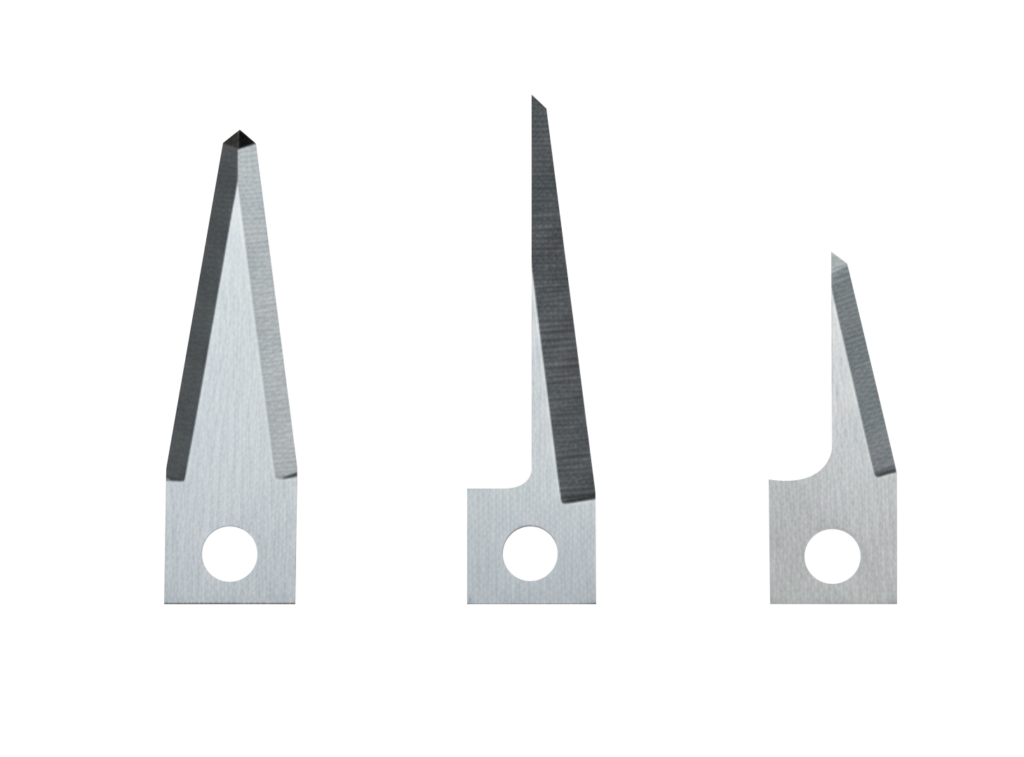
In contrast, a replaceable blade design allows only the worn blade to be replaced,
reducing maintenance time while eliminating the need to replace the entire cutting assembly.
Over the long term, this can contribute to lower maintenance costs and improved operational efficiency.
When selecting an industrial ultrasonic cutter, it is important to consider not only the initial purchase cost
but also long-term maintenance convenience.
4. Does the Manufacturer Design and Produce Its Own Core Components?
The performance of an industrial ultrasonic cutter is greatly influenced by the design and manufacturing quality of its core components,
including the ultrasonic horn, generator, amplifier, and transducer.
Among these, the ultrasonic horn plays a critical role by transmitting ultrasonic vibrations to the cutting blade.
Its design accuracy and machining precision can directly affect cutting performance and overall system stability.
For this reason, it is important to evaluate not only the machine’s appearance or output specifications,
but also whether the manufacturer possesses the technical capability to design and manufacture these core components in-house.
MECSTECH Industrial Ultrasonic Cutter

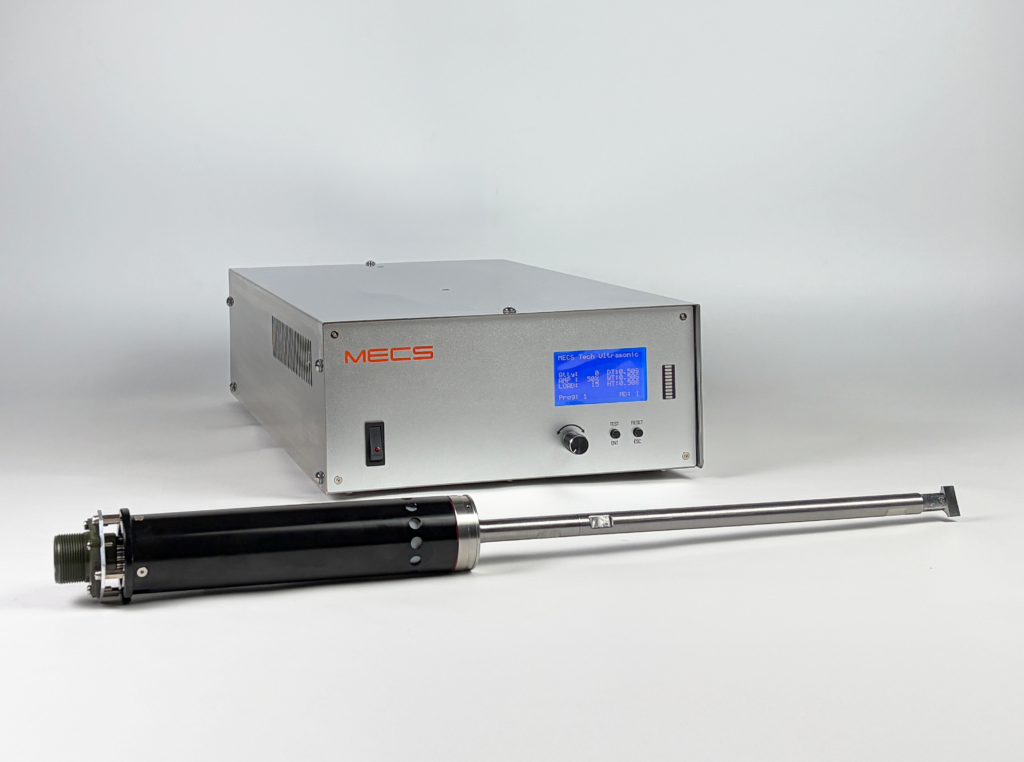
MECSTECH’s Industrial Ultrasonic Cutter is designed to deliver reliable cutting quality
and stable performance across a wide range of industrial applications.
Its automatic resonance frequency tuning function helps maintain stable output during extended operation,
while adjustable vibration amplitude allows optimal cutting conditions to be set for different materials.
The replaceable blade design minimizes maintenance requirements, and the digital control system
with cutting condition memory helps ensure consistent cutting quality while enabling faster job changeovers.
Suitable for both manual operation and automated production lines, the system is backed
by MECSTECH’s in-house engineering capabilities for core components,
including the ultrasonic horn, generator, amplifier, and transducer, enabling solutions optimized for each customer’s production environment.
In addition, compared with high-priced imported equipment, MECSTECH offers a cost-effective alternative without compromising performance,
making it a competitive choice for manufacturers seeking both productivity and value.
[Learn More About MECSTECH Industrial Ultrasonic Cutter]
Industrial Ultrasonic Cutters Should Be Selected with Long-Term Productivity in Mind
An industrial ultrasonic cutter is more than just a cutting tool.
It is a key piece of production equipment that can influence product quality, productivity, and long-term maintenance efficiency.
Rather than comparing only price or output specifications, manufacturers should also evaluate material compatibility,
automatic resonance frequency tuning, maintenance-friendly design, and the technical expertise behind the machine’s core components.
MECSTECH designs and manufactures its own ultrasonic core components and provides
ultrasonic cutting solutions tailored to each customer’s production environment.
We also work closely with customers to evaluate application feasibility and recommend optimized solutions
for a wide range of industrial cutting applications.