
Ultrasonic Welding for Medical Devices
Looking for a clean, fast, and precise way to bond medical components?
In 2026, discovering why Medical Welding via ultrasonic technology is essential for zero-contamination and high-strength joints is more important than ever.
Many medical components must be assembled without contamination while maintaining strict dimensional accuracy.
One of the most effective technologies to meet these requirements is ultrasonic welding for medical devices, widely used for its precision and clean bonding performance.
What Is Ultrasonic Welding?
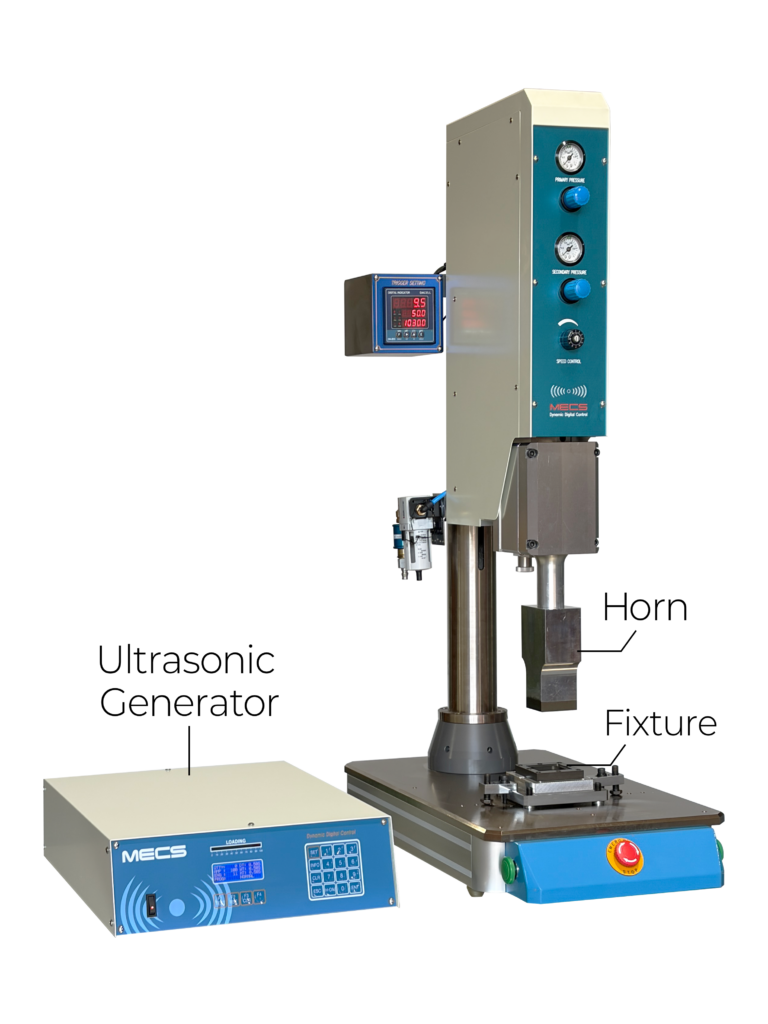
In 2026, as medical devices become more miniaturized, the demand for micro-fluidic channel welding is increasing.
Ultrasonic technology provides the necessary precision to bond these delicate structures without clogging the channels.
Ultrasonic welding is a joining process in which high-frequency vibrations are applied to materials under pressure to form a bond.
The general process is as follows:
1. Two components are positioned in a fixture.
2. A tool called a horn (sonotrode) applies pressure to the parts.
3. Ultrasonic vibrations are transmitted through the material.
4. Vibrational energy concentrates at the interface, generating localized heat.
5. The materials fuse to form a permanent joint.
In plastics, the interface melts locally to create the bond.
In metals, bonding occurs through surface deformation and oxide layer disruption without melting.
Because energy is delivered precisely where needed, ultrasonic welding is highly suitable for assembling delicate medical components.
Why Ultrasonic is the Choice for Medical Welding Excellence
Ultrasonic welding for medical devices provides a reliable solution for meeting strict medical manufacturing standards.
Medical device manufacturers must ensure that their products meet strict requirements for hygiene, durability, and reliability.
Traditional bonding or thermal welding methods can introduce contamination risks, require curing time, or damage sensitive materials.
Ultrasonic welding effectively addresses these challenges.
Watch the Ultrasonic Welding Video for Medical Devices
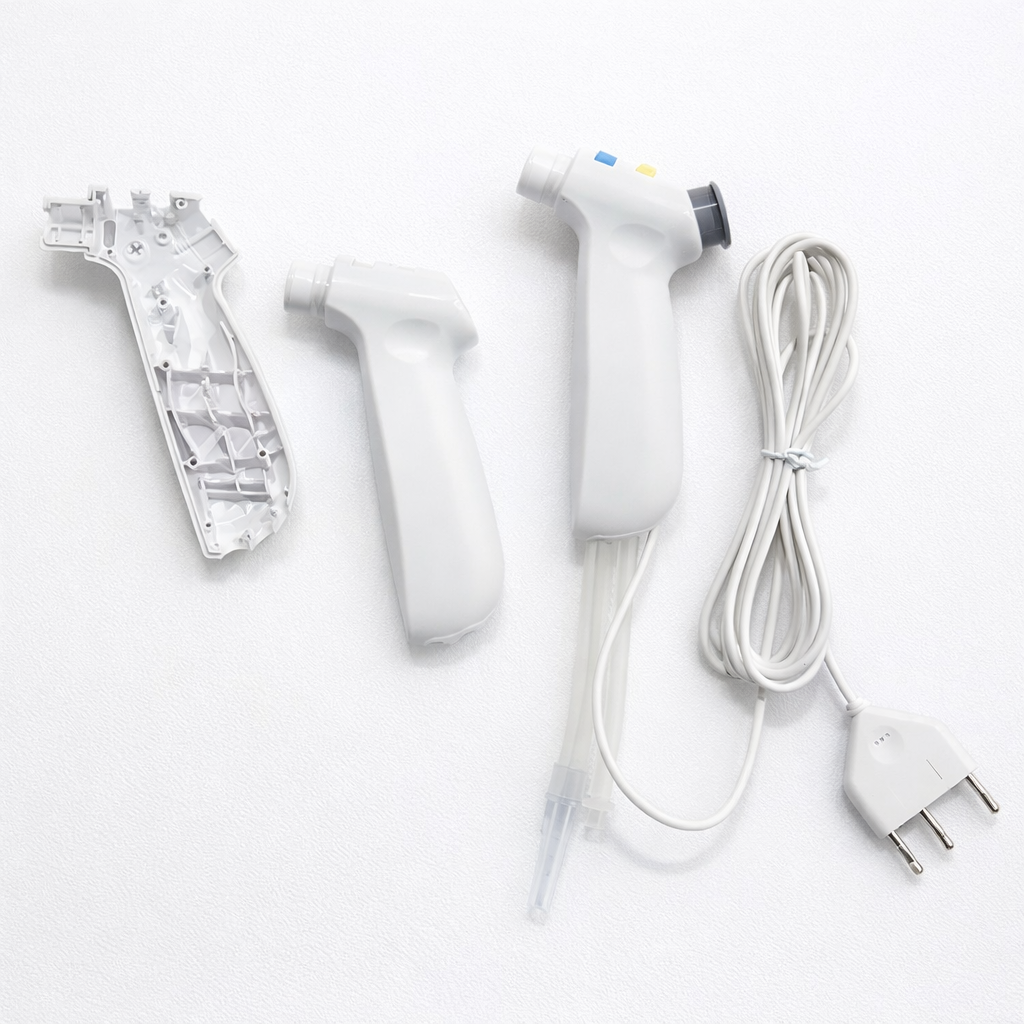
1. No Adhesives or Chemicals Required
Ultrasonic welding eliminates the need for adhesives, solvents, or mechanical fasteners such as screws.
This significantly reduces the risk of chemical contamination and makes it ideal for devices that come into contact with blood, tissue, or pharmaceuticals.
2. Ideal for Cleanroom Environments
Many medical devices are produced in cleanroom environments where particle generation must be minimized.
Ultrasonic welding offers:
• Minimal particulate generation
• Reduced airborne contamination
• No combustion or smoke
These characteristics make it well-suited for automated cleanroom production lines.
3. High Precision and Repeatability
Modern ultrasonic welding systems allow precise control of key process parameters:
• Amplitude
• Welding time
• Pressure
• Energy input
This ensures consistent weld quality, which is critical in highly regulated medical industries.
The process is also well-suited for automation, enabling stable quality in high-volume production.
Mecstech’s ultrasonic welding systems feature proprietary digital generators and precision control systems, ensuring stable oscillation and high repeatability.
With a wide auto-tuning range, the system maintains optimal performance despite environmental changes such as temperature variations or horn wear.
Additional features such as frequency monitoring, automatic data storage, electronic amplitude control (50–100%), and advanced overload protection enhance both reliability and operational safety.
[View Mecstech Ultrasonic Welding Systems]
4. Minimal Thermal Damage
Medical devices often include delicate structures such as:
• Thin plastic components
• Microfluidic channels
• Sensors
• Electronic parts
Conventional thermal welding methods may damage these components.
Ultrasonic welding generates heat only at the interface, minimizing thermal impact on surrounding areas.
This helps maintain structural integrity and dimensional precision.
Ultrasonic Welding Process in Medical Device Manufacturing
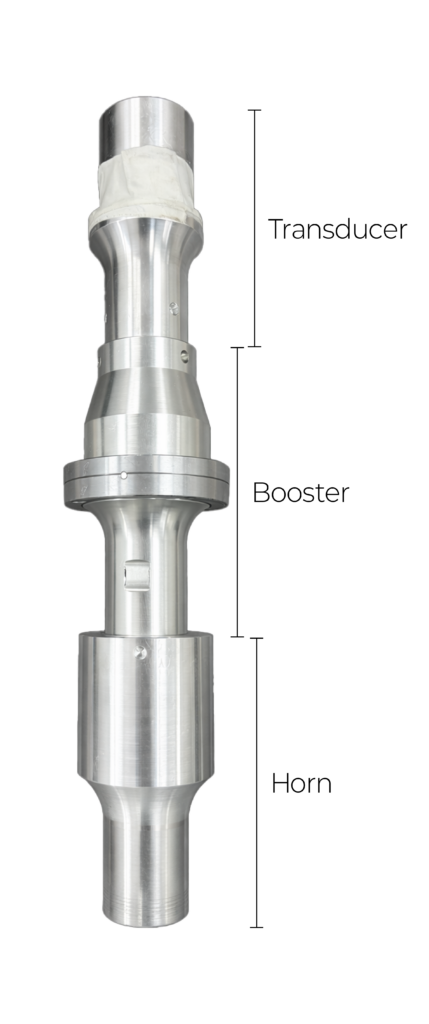
Although systems are customized for specific products, the general process includes:
1. Part Alignment
Components are placed in a fixture (nest or anvil) to ensure precise positioning.
2. Pressure Application
The horn applies force to maintain contact between parts.
3. Energy Transmission
The generator converts electrical energy into mechanical vibration via the transducer, which is transmitted through the booster and horn.
4. Bond Formation
Local melting (plastics) or surface deformation (metals) creates a strong bond.
5. Cooling and Solidification
The joint solidifies rapidly under pressure, typically within one second,
making it a standard in medical device welding for cleanroom production.
Medical Applications of Ultrasonic Welding
Medical Filters
• Arterial blood filters
• Anesthesia filters
• Blood-gas filters
Catheters and Tubing
• IV catheters
• Dialysis tubing
• Infusion connectors
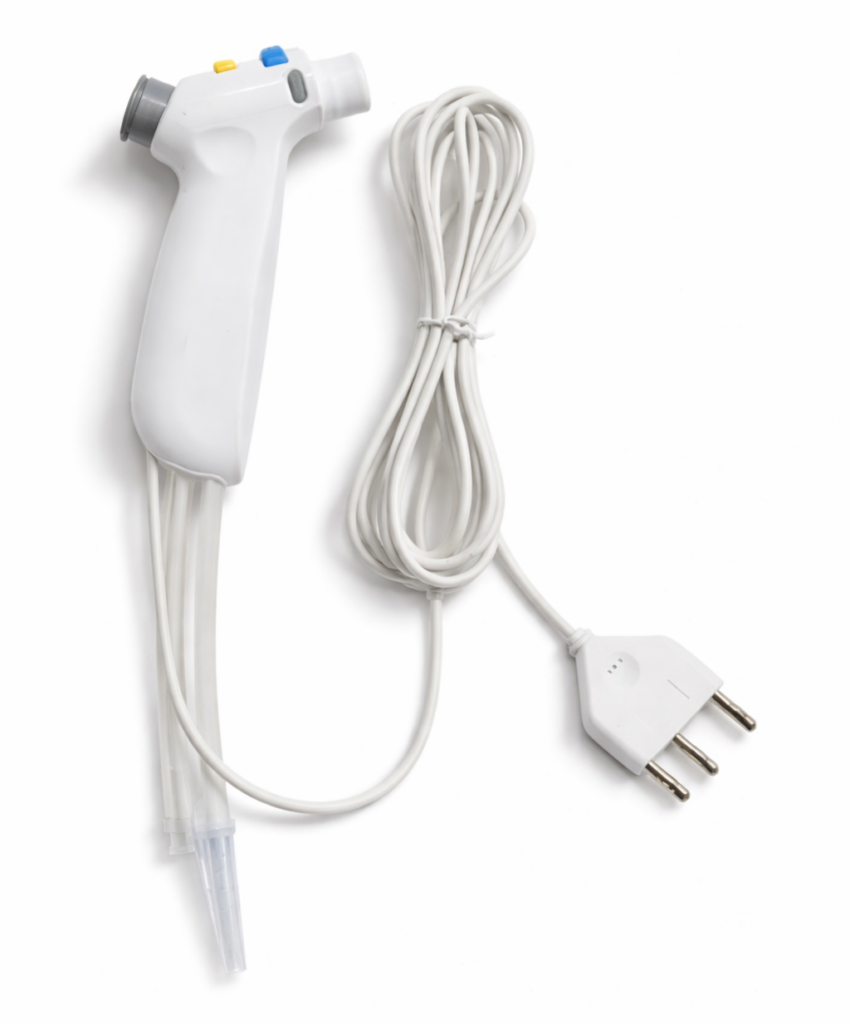
Diagnostic Devices and Sensors
• Diagnostic cartridges
• Biosensor housings
• Cardiac monitoring components
Medical Textile Products
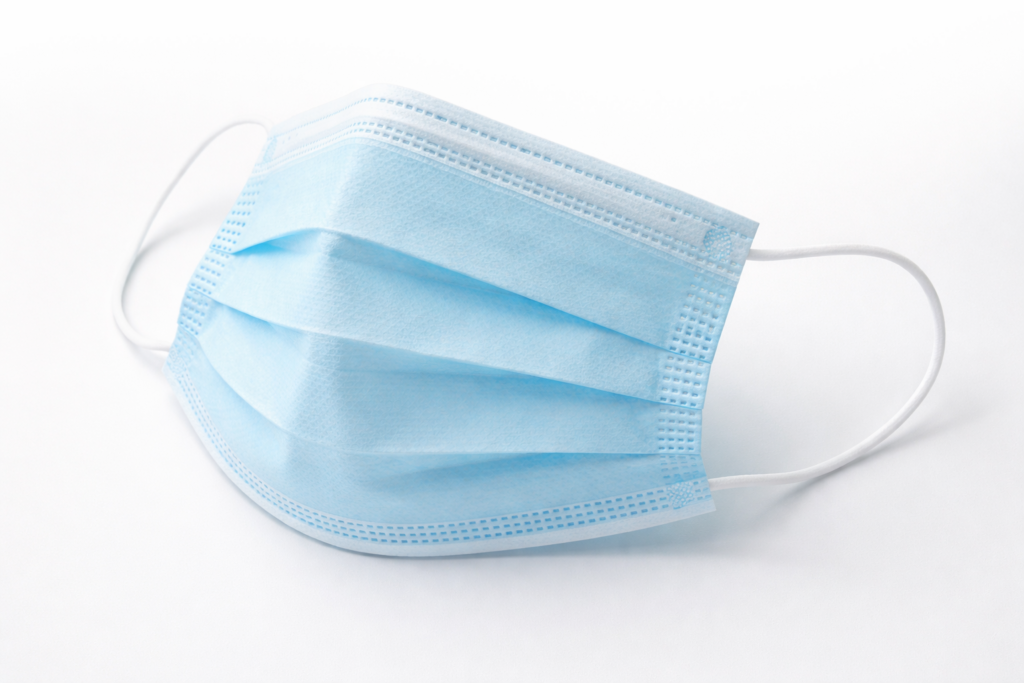
• Surgical masks
• Hospital gowns
• Protective clothing
• Skin patches
[View Ultrasonic Welding Applications]
Advantages of Ultrasonic Welding in Medical Manufacturing
Compared to adhesive bonding, thermal welding, and mechanical fastening, ultrasonic welding offers significant advantages.
Adhesives require curing time and may introduce chemicals, while thermal welding can deform plastic components.
Mechanical fastening increases weight and can create leakage paths.
Ultrasonic welding minimizes these issues while enabling fast, clean, and reliable joining.
Ultrasonic welding has become a critical technology in medical device manufacturing.
It enables strong, precise, and hygienic bonding, making it ideal for a wide range of applications including IV catheters, filters, diagnostic devices, and medical textiles.
As medical technologies continue to evolve, the role of ultrasonic welding is expected to expand even further.
Ultrasonic welding for medical devices will continue to play a key role as medical technology advances.