
Ultrasonic screening is a technology that adds fine ultrasonic vibration, tens of thousands of oscillations per second,
to the screen mesh to reduce clogging of the mesh by fine powders.
It is often added to existing vibratory screening equipment and is widely used in processes that handle fine powders,
such as secondary batteries, pharmaceuticals, and chemicals.
This article covers the differences between conventional and ultrasonic screening, applications, large and small systems,
and the technologies needed for design and operation.
Limits of Conventional Screening: Why Does Mesh Blinding Occur?
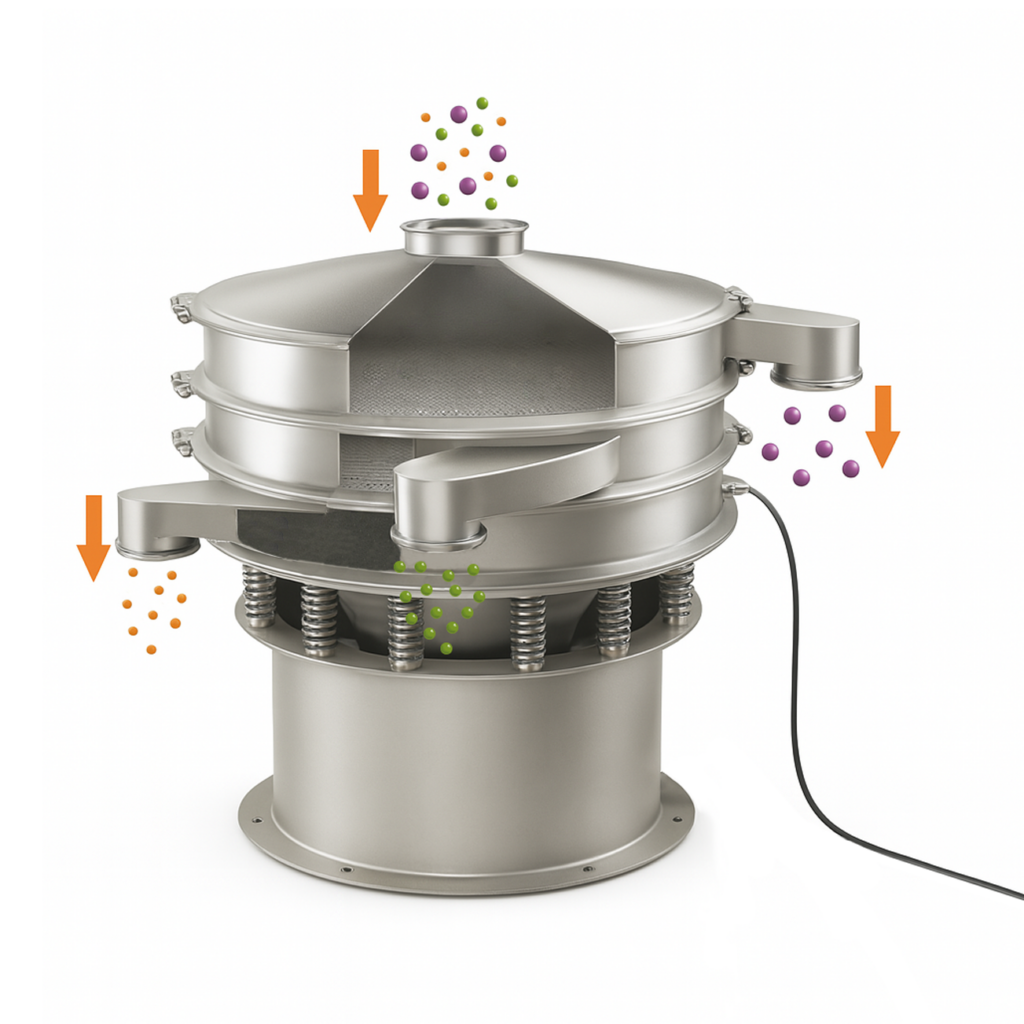
Conventional vibratory screening uses a motor to shake the entire screen and separate the powder.
This works well for coarse particles, but as particles get smaller, the following problems occur:
- Particles close in size to the mesh openings get stuck in the openings and do not come out.
- Fine particles clump together or stick to the mesh due to static electricity or moisture.
- As more openings become blocked, the effective screening area shrinks and throughput drops.
This kind of mesh blinding is especially common on fine meshes with openings of 300 µm or less.
When blinding occurs, the equipment must be stopped to clean the mesh, which frequently interrupts production.
How Ultrasonic Screening Works
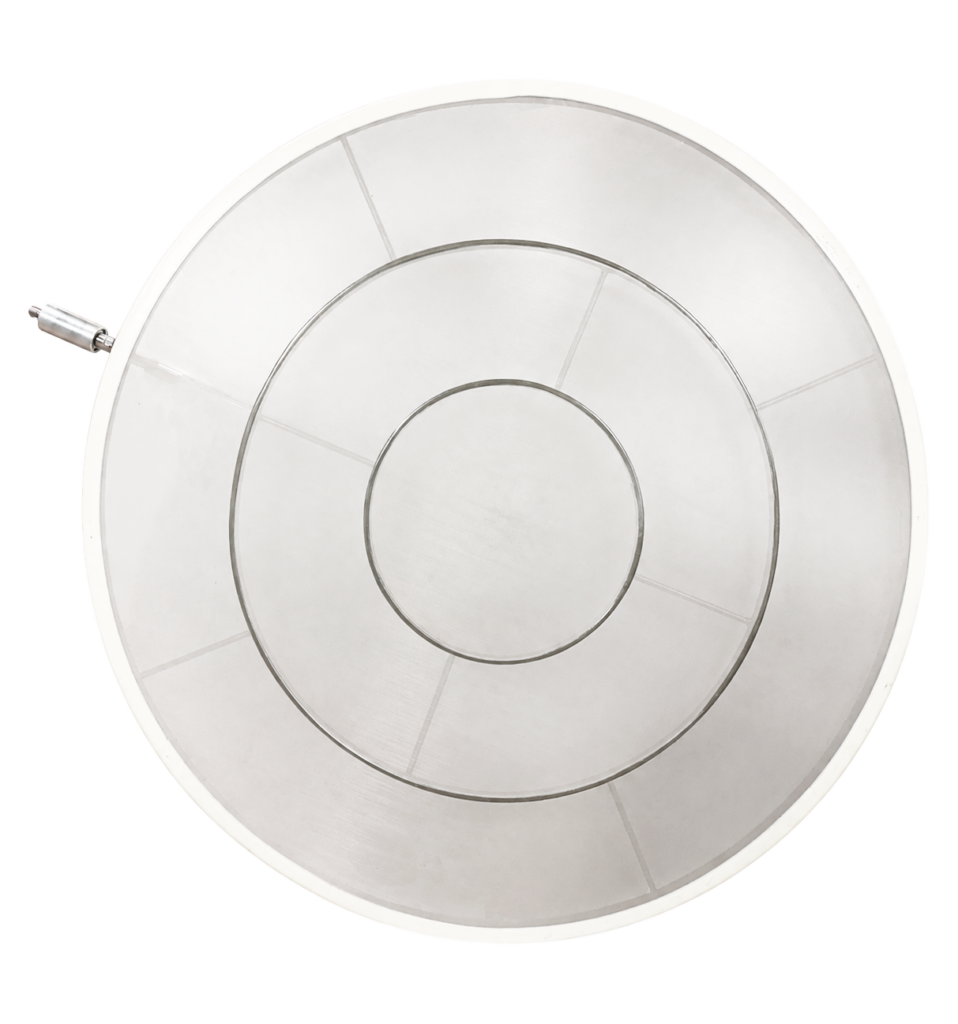
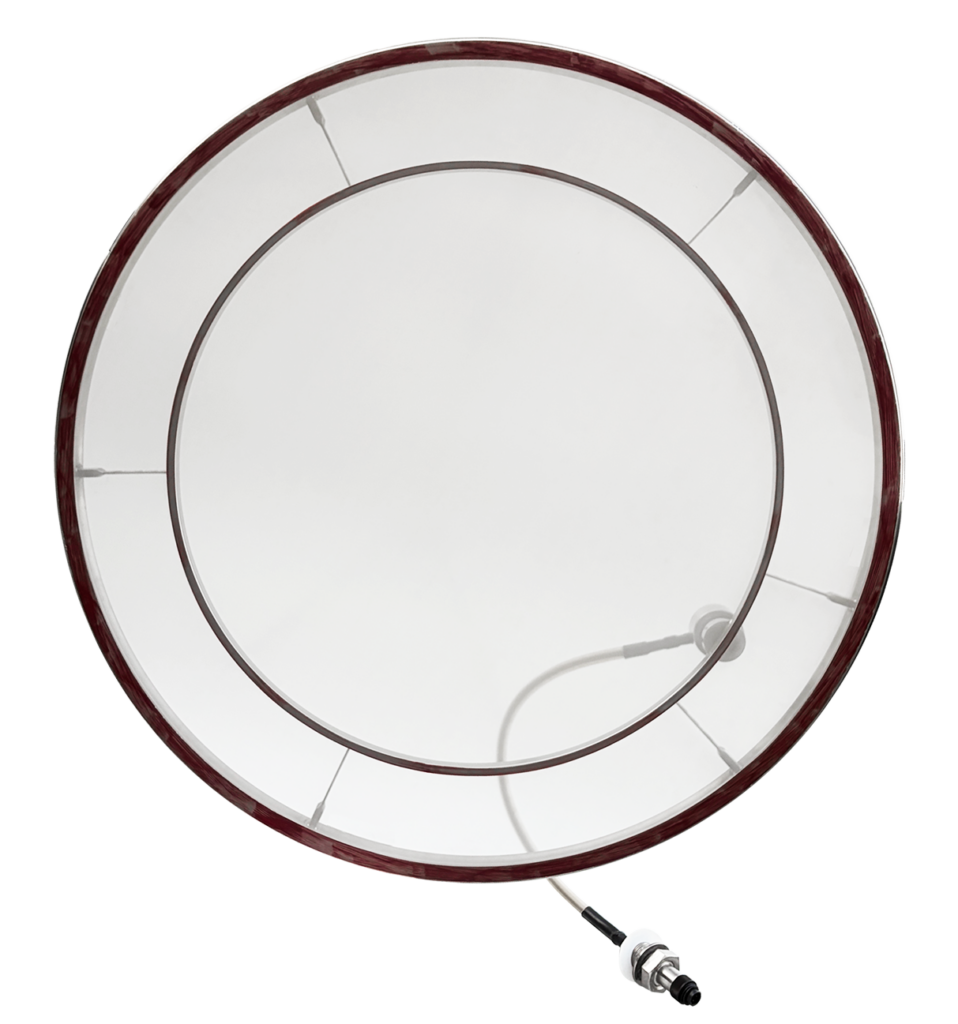
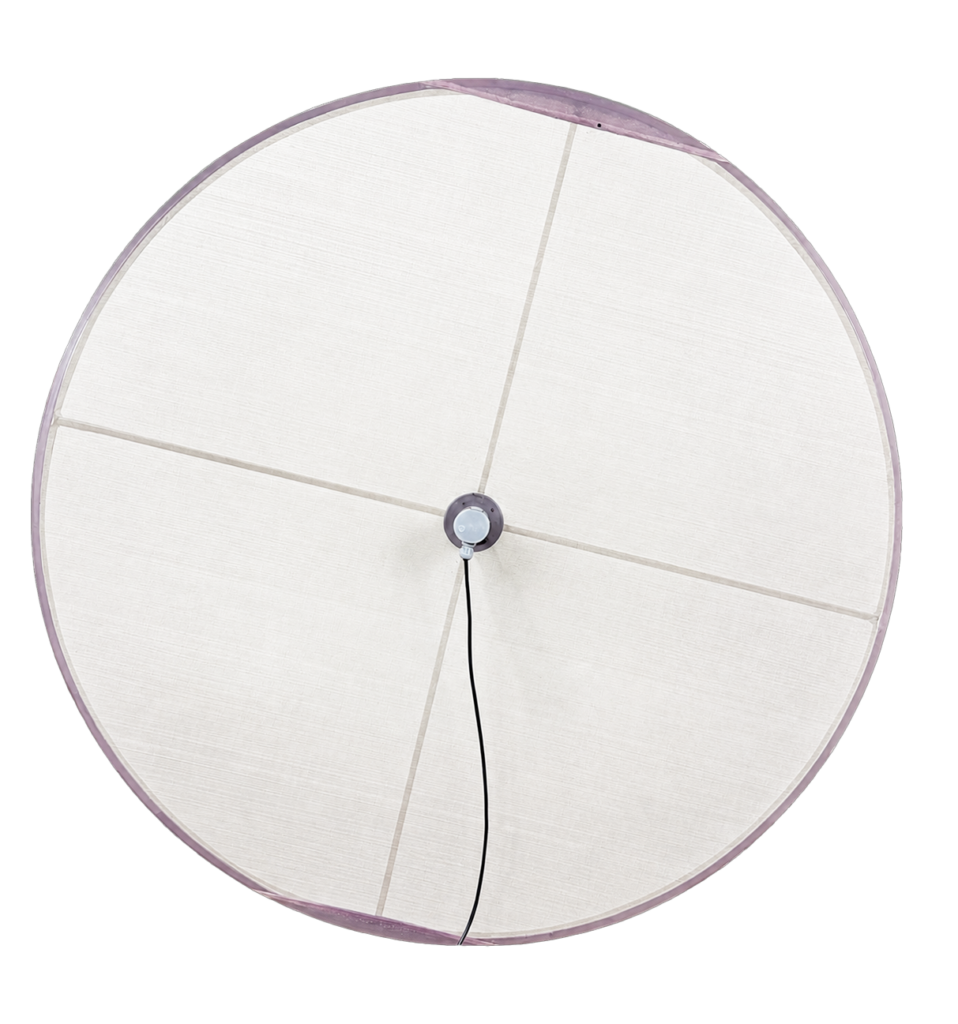
The key is to make the mesh itself vibrate finely with ultrasound,
in addition to the mechanical vibration that shakes the entire screen.
The system consists of the following:
- Ultrasonic generator: Converts ordinary mains power into an electrical signal in the ultrasonic range.
- Transducer: Converts the electrical signal into mechanical vibration at the same frequency.
- Resonator: A ring or bars beneath the mesh spread the vibration across the entire mesh.
When the mesh vibrates ultrasonically, friction between the powder and the mesh is reduced.
As a result, particles that would otherwise get stuck slip through the openings, and agglomerated particles break apart more easily.
| Category | Conventional Vibratory Screening | Ultrasonic Screening |
|---|---|---|
| Vibration | Mechanical vibration that shakes the entire screen | Mechanical vibration + fine ultrasonic vibration of the mesh |
| Fine powders | Prone to blinding and agglomeration | Less blinding and agglomeration |
| Mesh cleaning | Frequent stops for cleaning | Less frequent cleaning |
| Separation quality | Particles that should pass tend to carry over the top | Improved separation accuracy |
Applications of Ultrasonic Screening

It is mainly used in processes that require precise classification of fine particles or removal of agglomerates and foreign matter.
- Secondary batteries: Classification of material powders such as cathode and anode materials
- Pharmaceuticals: Screening of pharmaceutical raw material powders
- Chemicals, materials, and paints: Classification of fine powders such as pigments
- Metal powders and 3D printing: Re-screening leftover metal powder for reuse
- Others: Ceramics, food, electronic materials, catalysts, and more
Large Ultrasonic Screening Systems: Even Vibration Across the Entire Mesh
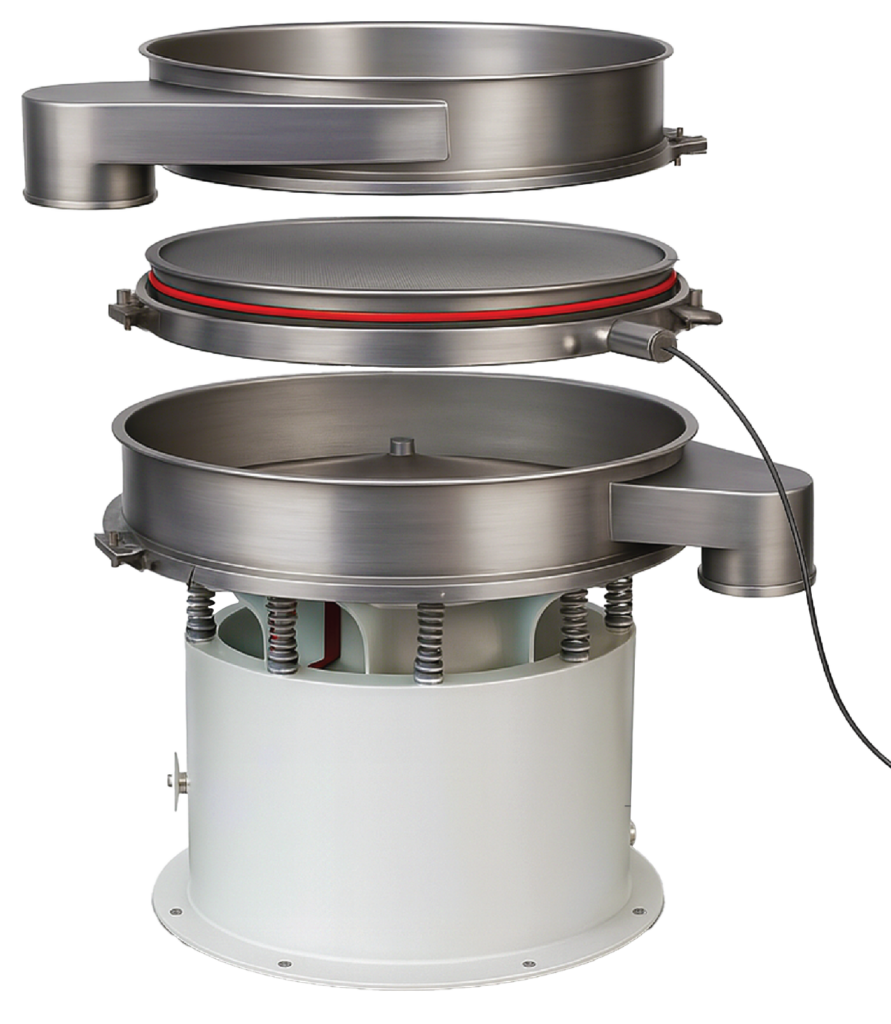
[Watch the Large Ultrasonic Screening Video]
In large ultrasonic screening systems, it is important to transmit vibration evenly across the entire mesh.
This is because blinding occurs where vibration is weak, while the mesh can be damaged where vibration is too strong.
Therefore, the vibration from the transducer is designed to spread across the entire mesh through a resonator beneath it.
This resonator is designed according to installation conditions, powder characteristics, and particle size distribution.
Small Ultrasonic Screening Systems: For Laboratories and Small-Batch Production
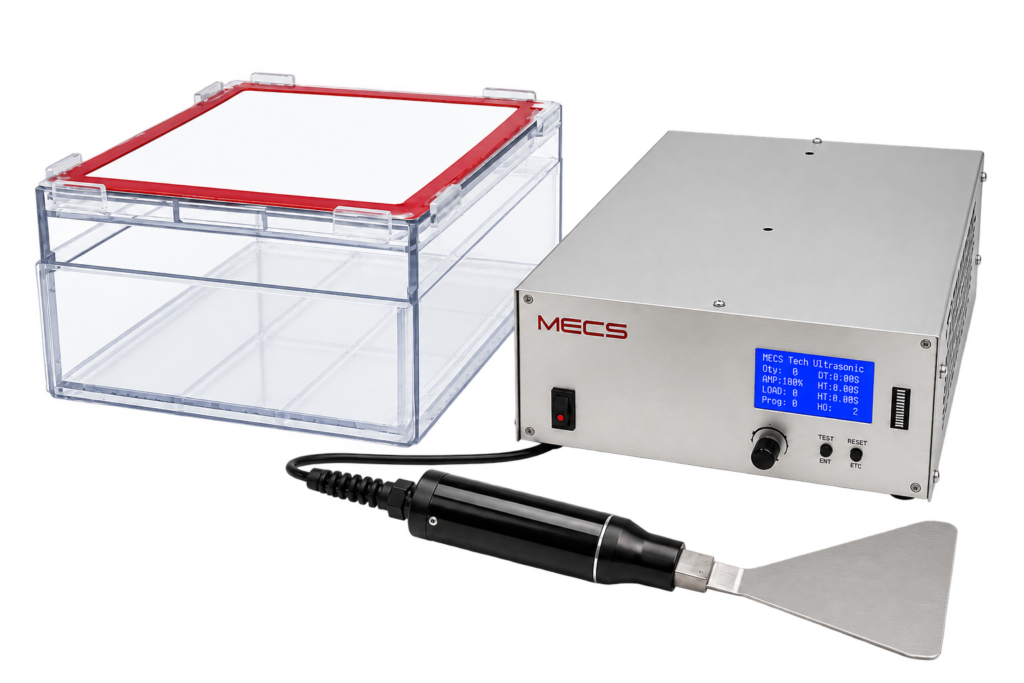
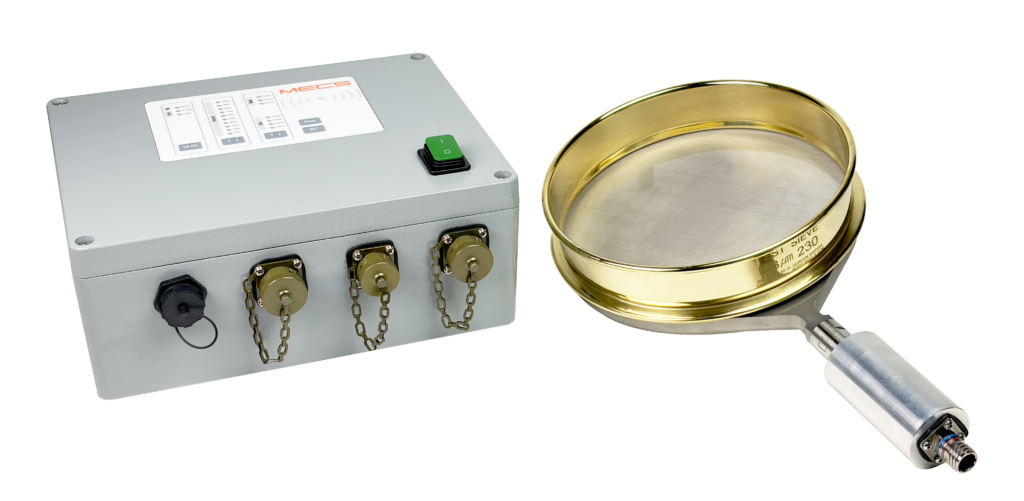
[Watch the Small Ultrasonic Screening Video]
Small systems consist of a small mesh and a dedicated generator.
They are used in research institutes and laboratories to precisely screen small quantities of fine powder.
They are useful for analyzing the properties of new materials, or for checking in advance
whether your powder screens well with ultrasound before investing in production equipment.
In processes with low production volumes, they are sometimes used directly for production.
Design and Operation: FEM Analysis and Monitoring

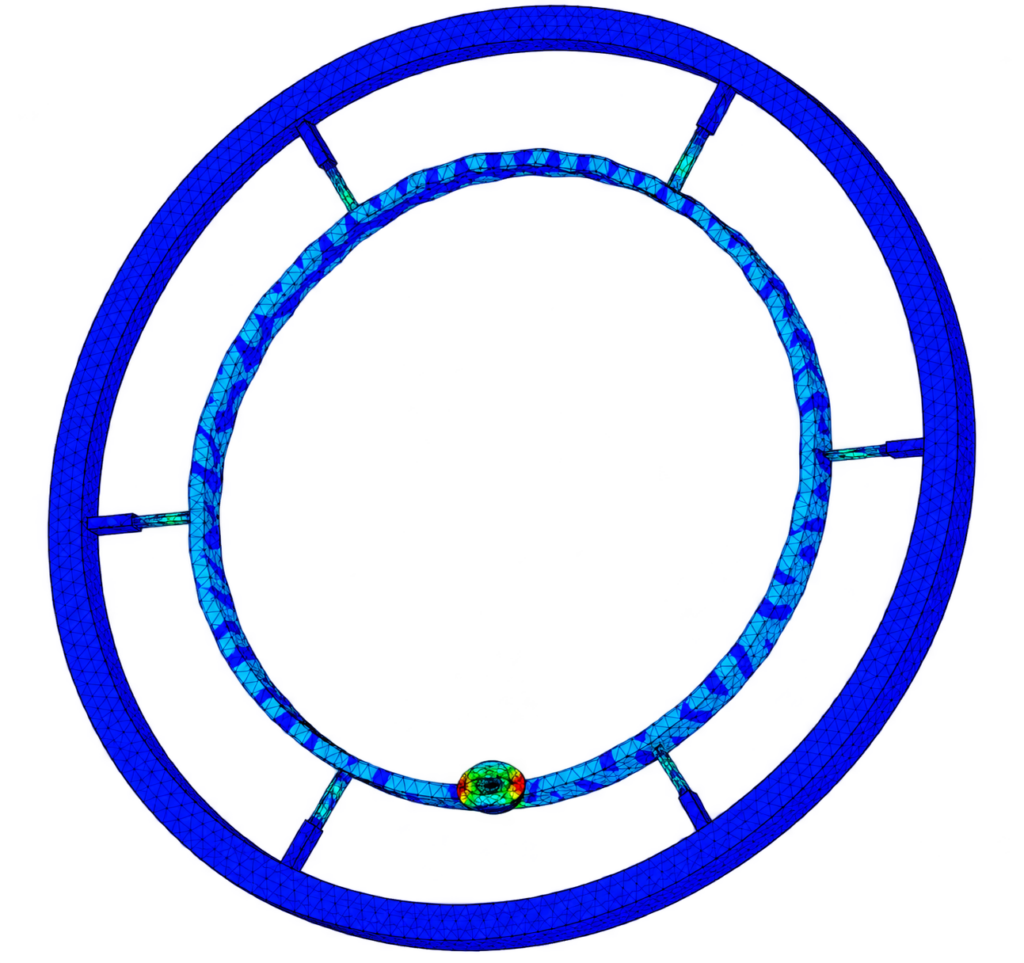
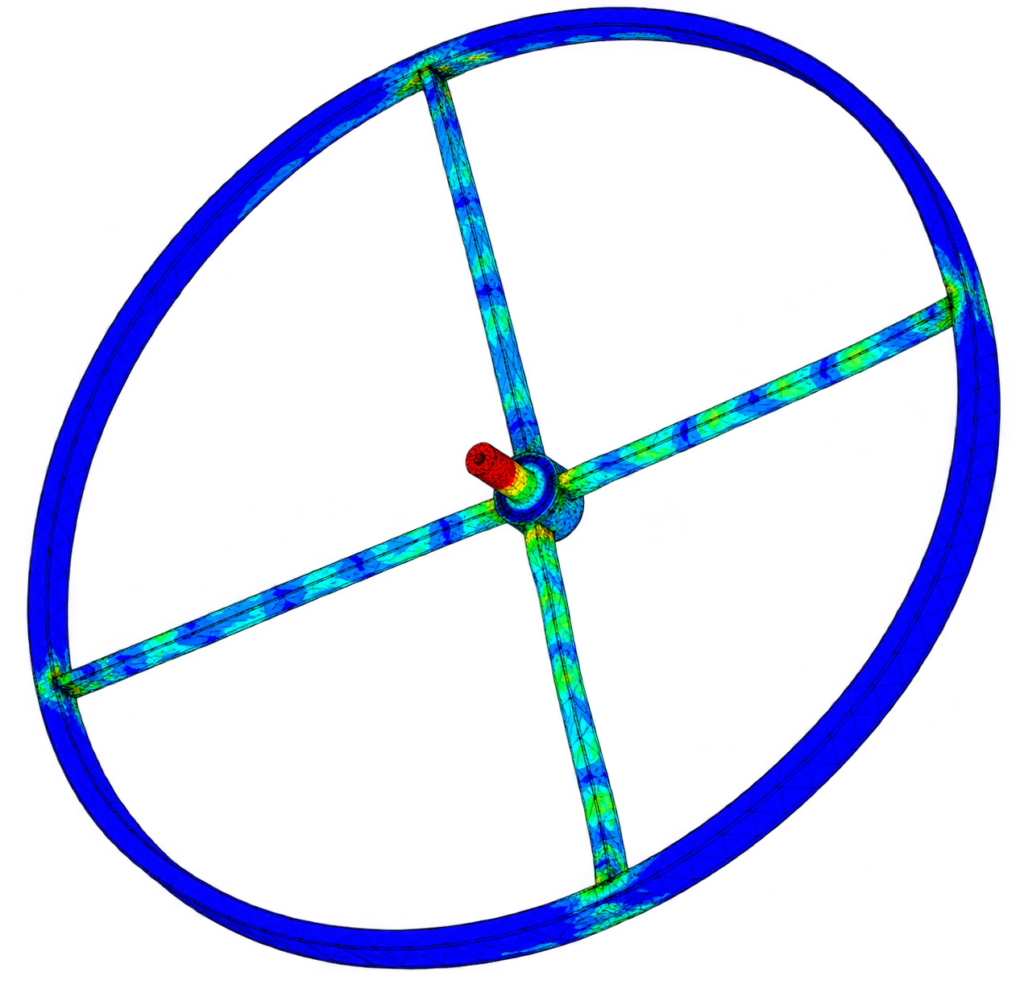
Checking Vibration Distribution in Advance with FEM Analysis
FEM (Finite Element Method) is a design method that divides a complex structure into very small elements
and uses a computer to calculate vibration, deformation, and the concentration of forces (stress).
In screening equipment, it is used before manufacturing to check whether the screen
and transducer resonate properly at the target frequency, and whether vibration spreads evenly across the mesh.
Identifying areas where forces concentrate in advance and reinforcing the structure also helps extend equipment life.
Reducing Weak Vibration Zones with Operating Modes
Vibrating continuously at a single frequency can create fixed areas of strong and weak vibration on the mesh.
For this reason, in addition to a mode that keeps output constant, operating methods
that vary output intensity, or vary frequency and output together, are used to deliver vibration even to weak areas.
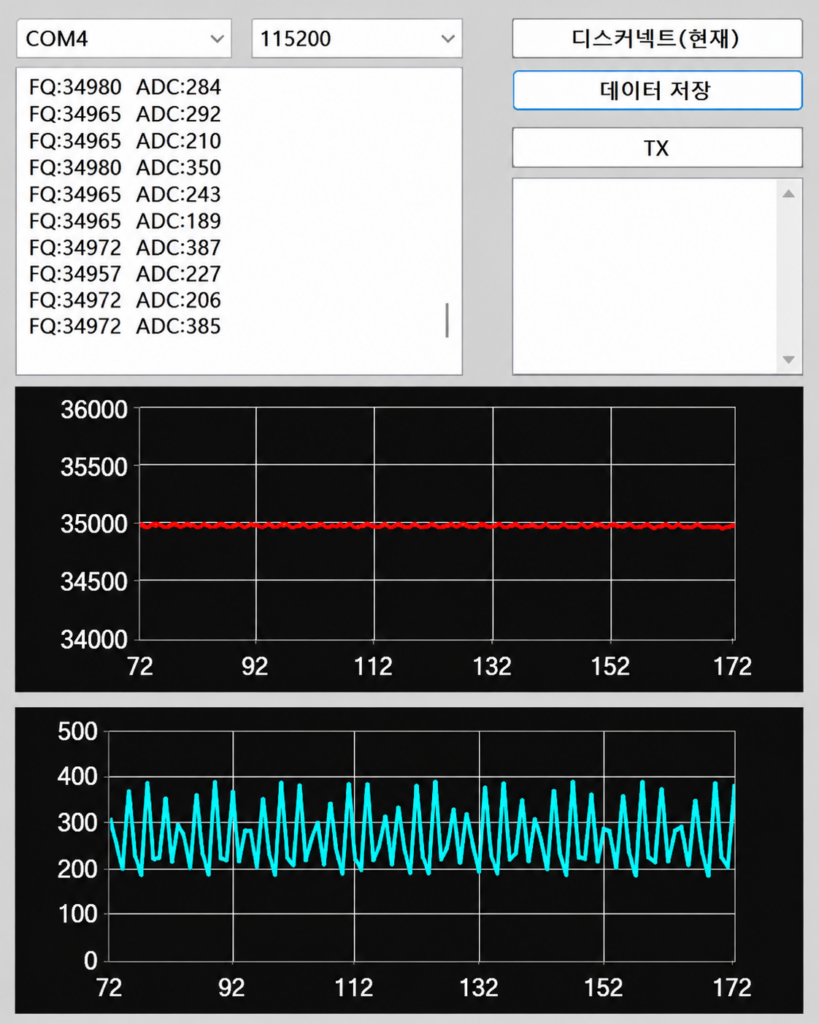
Managing Conditions with Real-Time Monitoring
Vibration conditions change constantly with the amount of powder on the mesh, the degree of adhesion, and temperature.
Checking and recording frequency and load in real time makes it easier
to find optimal operating conditions and to analyze the cause when problems occur.
MECSTECH Ultrasonic Screening
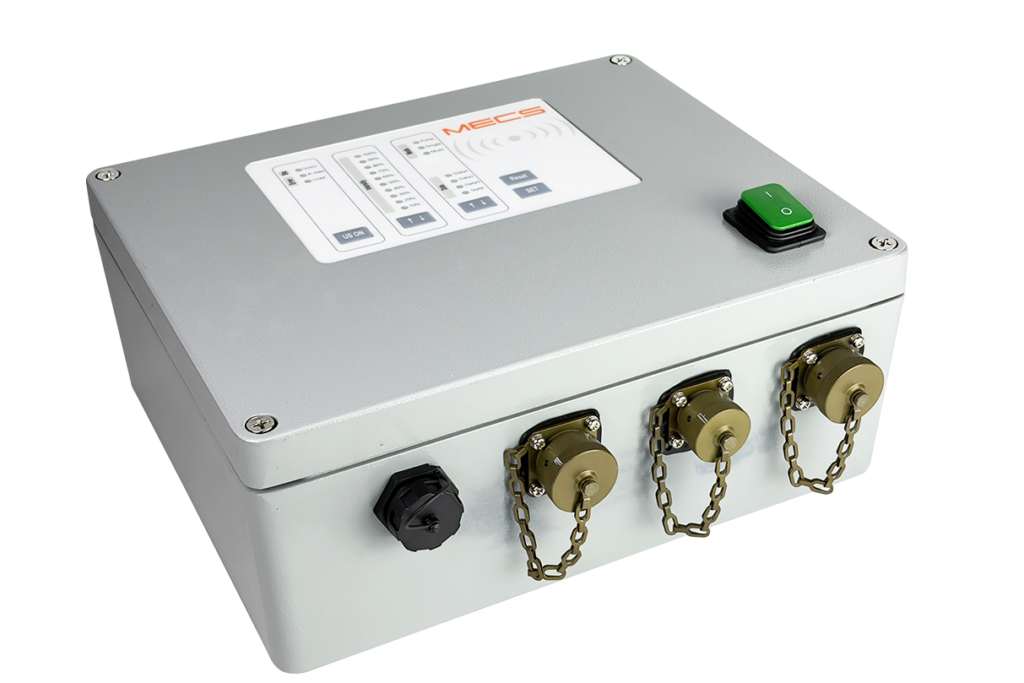
[View MECSTECH Ultrasonic Screening Products]
MECSTECH’s powder screening system incorporates all of the technologies introduced above.
- Transducer mounting types: three types in total, frame-inner (T), frame-outer (A), and center (R)
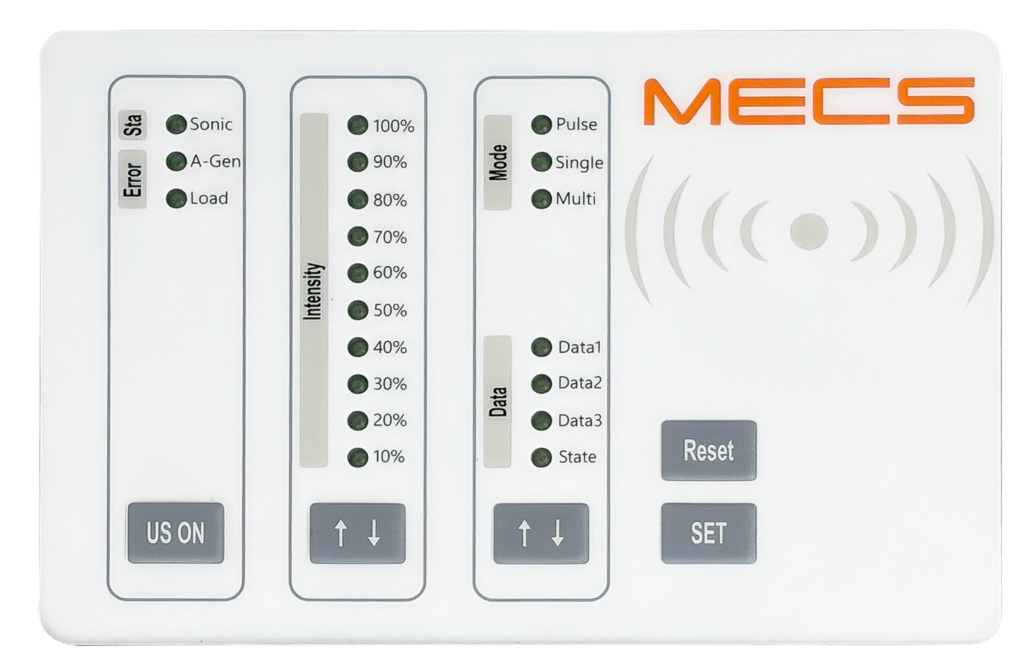
- Dedicated generator: 33–38 kHz frequency range, output adjustable from 10–100%
- Operating modes: Single (constant output), Pulse (variable output), Multiple (variable frequency and output)
- FEM-based design and real-time monitoring via a dedicated PC program
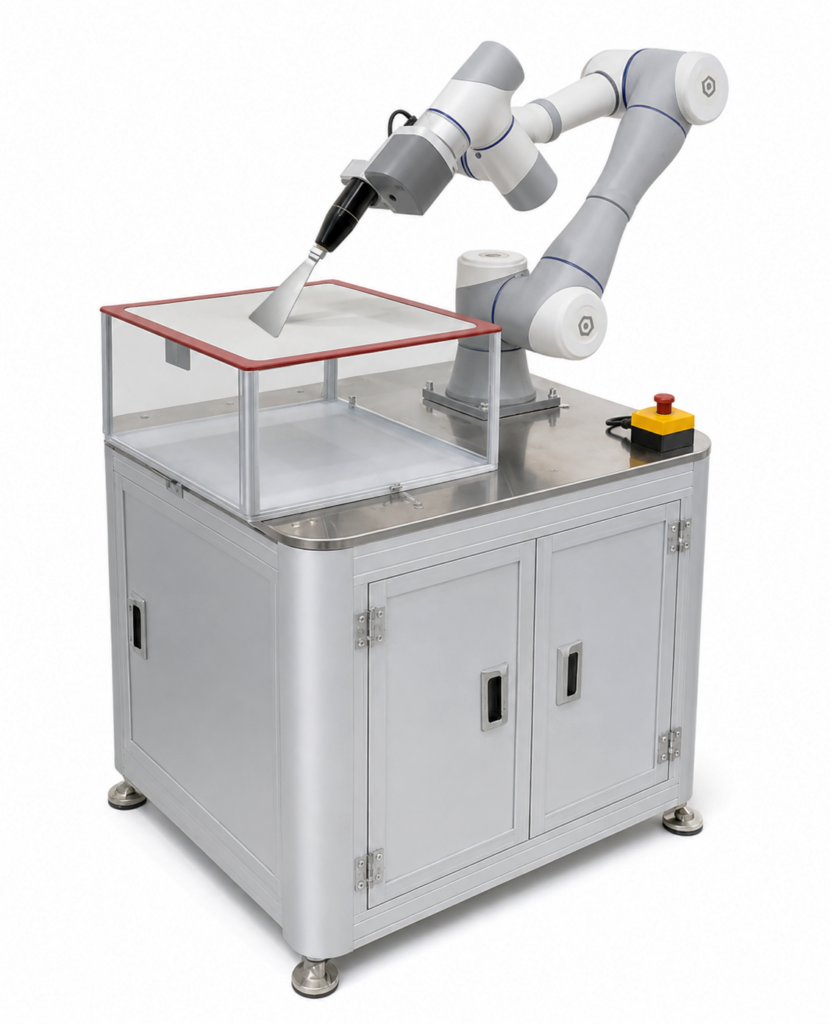
- Small manual ultrasonic screening systems, integration with vibrators and robot automation
Frequently Asked Questions
Can ultrasonic screening be applied to existing vibratory screeners?
In general, it can be applied by adding an ultrasonic device to the mesh of existing equipment.
However, the application method should be reviewed according to the equipment structure and screen size.
How fine does the powder need to be for it to be effective?
Since blinding occurs especially often on meshes with openings of 300 µm or less,
it is most effective when screening powders finer than that.
Actual results vary with powder properties, so it is best to confirm with a screening test.
Finally, in processes that handle fine powders, blinding is a problem that reduces both throughput and quality.
Ultrasonic screening greatly reduces this problem by lowering friction on the mesh,
and it is important to design the system according to installation conditions and powder characteristics.
If you are wondering whether ultrasonic screening is right for your powder, feel free to contact us.